How to Ship High-Value or Sensitive Cargo Safely – Lukasz Kowal, Air Export Manager at Anchor Express

Lukasz Kowal is the Air Export Manager at Anchor Express, with extensive experience in managing complex air freight operations. He specializes in secure handling of high-value and sensitive cargo, ensuring compliance, efficiency, and risk mitigation across international supply chains.

What are the key security protocols you implement for high-value cargo that most companies overlook?

Many companies underestimate how critical coordination and visibility across the entire air freight supply chain really are. One of the most overlooked security protocols in high-value cargo shipping is pre-alerting destination agents, airlines, and ground handlers.

By ensuring that all parties are informed in advance, we minimize dwell time at airports and reduce the risk of theft or tampering while cargo is stored in unsecured or high-traffic warehouse zones.

Additionally, we implement restricted-access handling, ensure cargo is processed only by authorized personnel, and select airlines with proven secure air freight procedures. These measures significantly reduce exposure during transit, especially for sensitive or high-value goods such as electronics, pharmaceuticals, or luxury items.

Which packaging and labeling strategies help prevent damage or loss during air export?

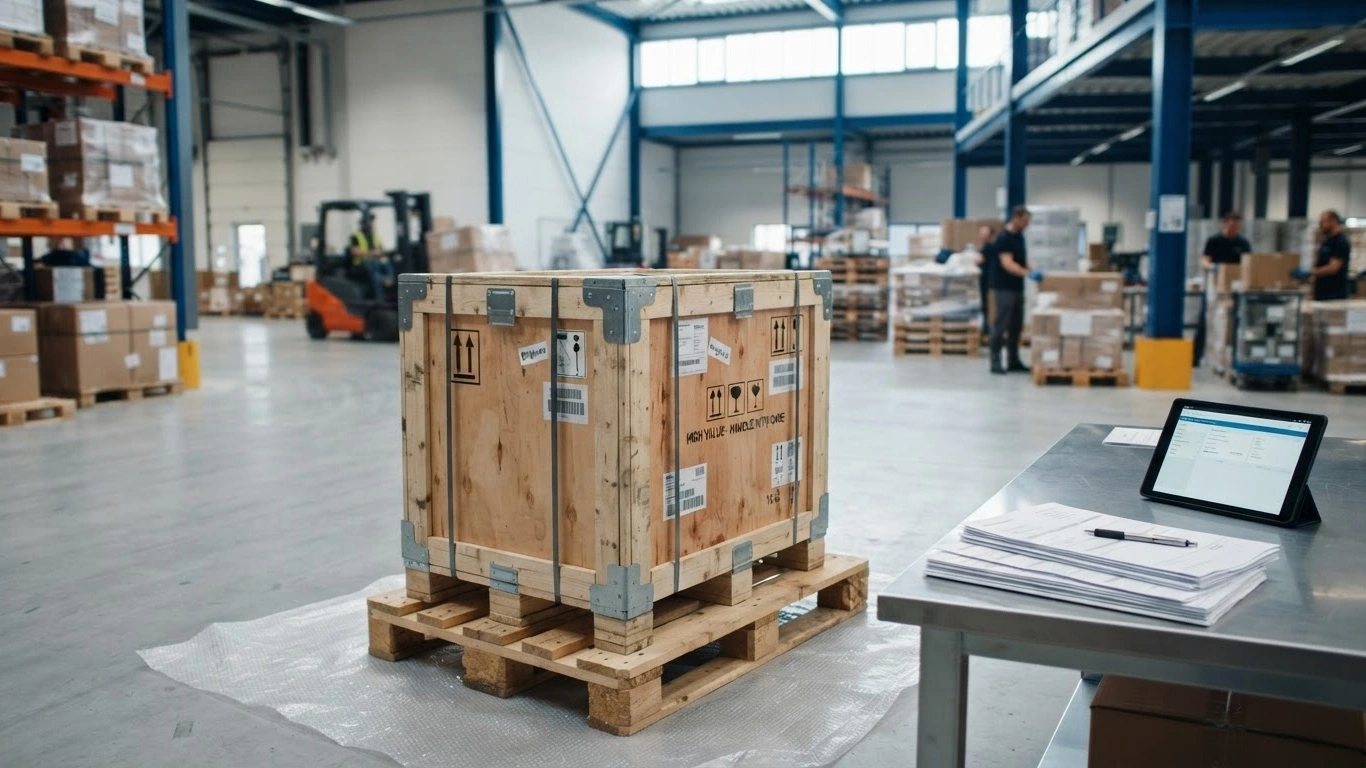
Packaging is a core element of sensitive cargo logistics. For air export shipments, we recommend double-walled corrugated boxes, reinforced pallets, or custom-built wooden crates for fragile or expensive items. Proper internal cushioning is just as important as the outer structure.

To reduce theft risk, we use tamper-evident security tape and deliberately avoid external branding or markings that could indicate high-value cargo. From an air freight security perspective, discretion is critical.

Labeling should focus on handling instructions—such as “This Side Up,” “Fragile,” or “Temperature Sensitive”—while avoiding descriptions that reveal the commercial value or nature of the goods. This balance helps protect cargo without attracting unnecessary attention.

How do customs regulations and insurance requirements affect the shipment of sensitive goods?

Customs compliance is often a bottleneck in high-value air cargo transportation. Sensitive goods usually require precise HS codes, export licenses, or additional regulatory documentation. Even minor errors can result in inspections or clearance delays, increasing the time cargo remains stationary and exposed to risk.

From an insurance standpoint, many shippers mistakenly rely on standard airline liability, which is typically far below the actual value of the goods. For high-value cargo shipping, this is insufficient.

At Anchor Express, we ensure that shipments are protected by all-risk cargo insurance, calculated on the full commercial invoice value. This approach safeguards our clients against financial loss caused by theft, damage, or unforeseen disruptions during air transport.

What are the most common mistakes companies make when planning logistics for valuable cargo, and how can they be avoided?

One of the most frequent mistakes is prioritizing lowest cost over secure routing. While cost efficiency matters, it should never compromise safety. For high-value or sensitive cargo, direct flights are always preferable, as each transshipment increases handling risk.

Another common issue is incomplete or inaccurate documentation. Missing details can lead to customs holds, forcing cargo to remain in congested airport terminals where the risk of loss or theft is significantly higher.

These problems can be avoided by early planning, choosing logistics partners experienced in secure air freight solutions, and validating all documents before departure.

Can you explain how technology, tracking systems, and risk assessments improve the safety of high-value shipments?

Technology plays a crucial role in modern air export security strategies. Whenever possible, we utilize GPS cargo tracking systems that provide real-time visibility throughout the journey. This allows us and our clients to monitor shipment location, detect deviations, and respond immediately to potential threats.

In addition, we conduct route-based risk assessments, evaluating factors such as transit airports, cargo crime statistics, and geopolitical considerations. By combining tracking technology with proactive risk analysis, we significantly enhance the safety and reliability of high-value cargo logistics.

Ultimately, the integration of digital tracking, data-driven decision-making, and experienced operational control creates a secure environment for transporting even the most sensitive goods by air.

Like this post?

Share the Post:

Related Posts

Join our newsletter to stay updated