Animal Logistics: How to Ensure Safe and Compliant Live Animal Transportation

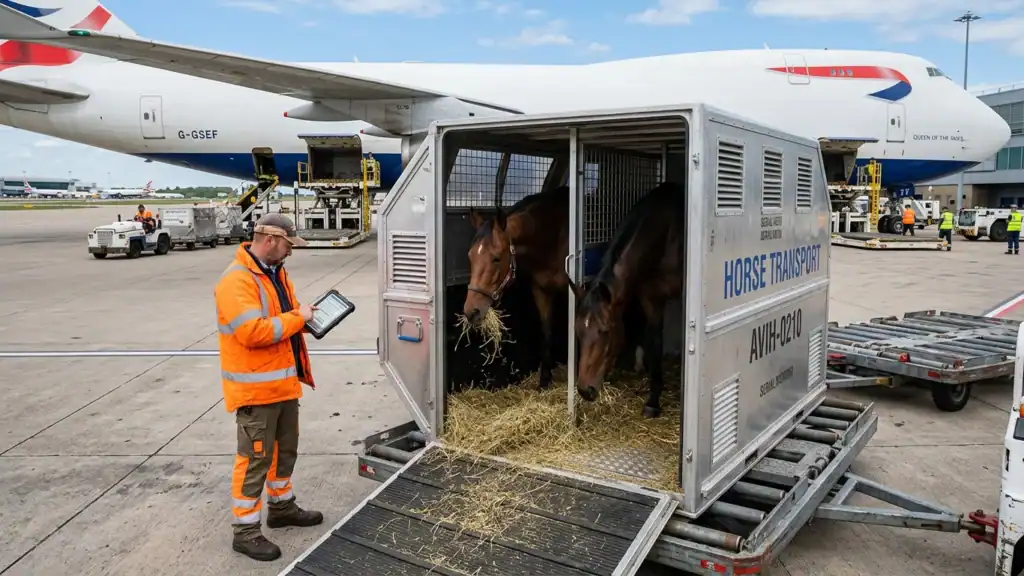
Transporting live animals is one of the most complex sectors in the global supply chain. Unlike standard freight, animal logistics involves living creatures, meaning there is absolutely zero margin for error. Whether it is moving household pets, livestock, or exotic animals for conservation, ensuring safety, comfort, and compliance with international regulations is paramount.

As global demand for professional live animal transport grows, businesses and individuals alike need reliable logistics partners who understand the intricate science behind safe animal relocation.

What is Animal Logistics?

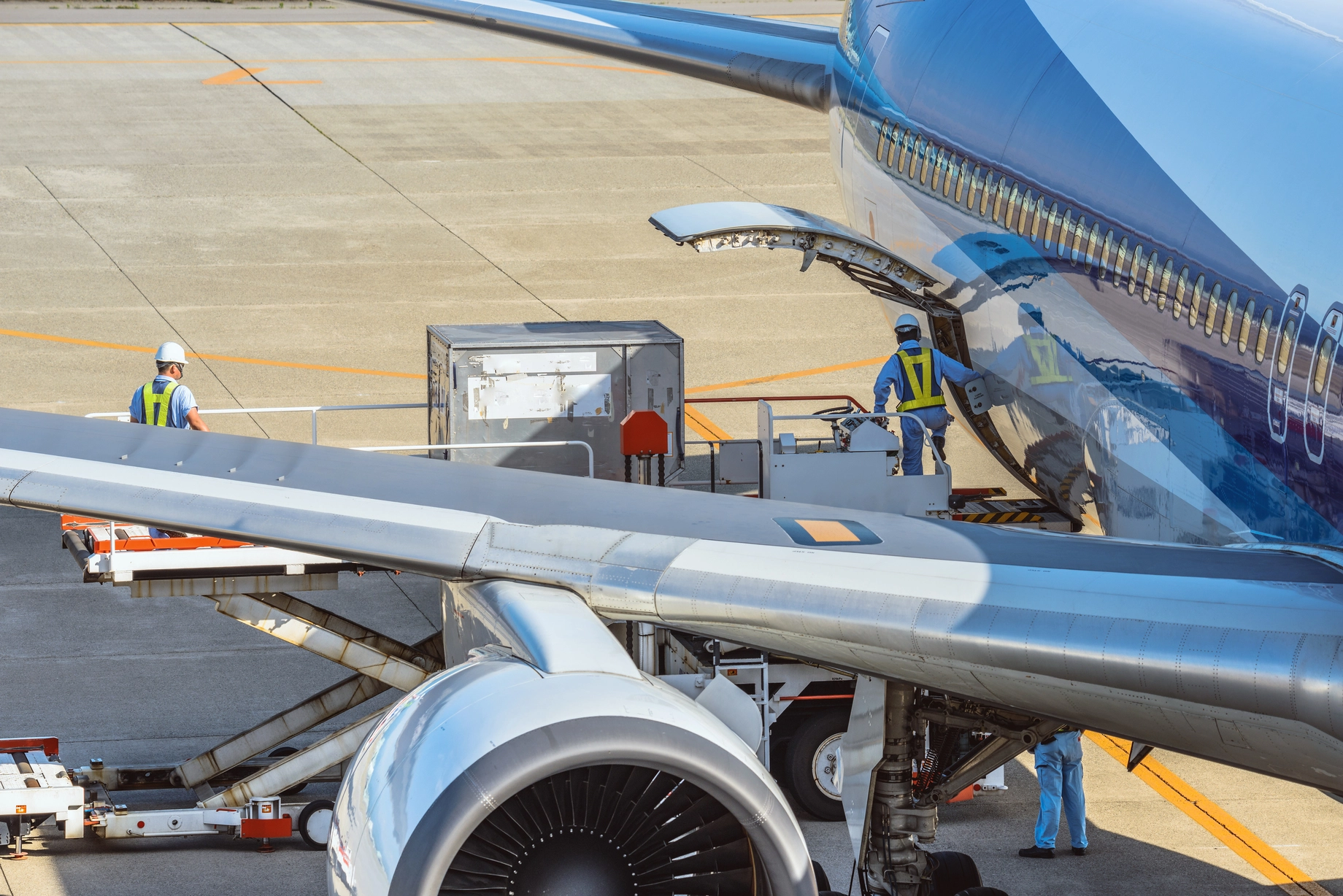
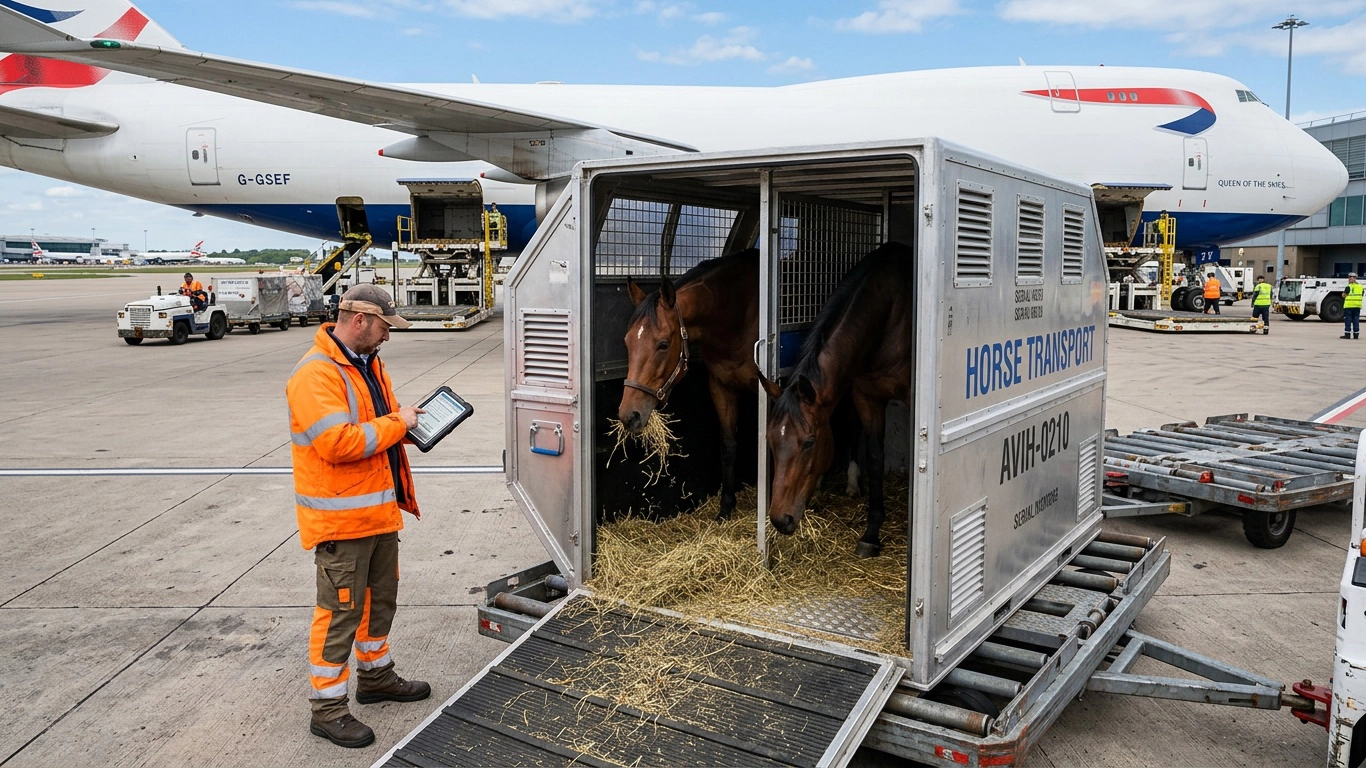
Animal logistics (also known as live animal transportation) is a specialized branch of the supply chain dedicated to the humane, legal, and safe movement of animals from one location to another. This field encompasses domestic and international air freight, specialized road transport, customs clearance, and veterinary check management.

Key Challenges in Live Animal Transportation

Navigating the world of live animal transport requires overcoming several critical hurdles:

1. Strict Regulatory Compliance

Every country has its own set of rules regarding animal import/export. Key regulatory bodies include:

  • IATA (International Air Transport Association): Their Live Animals Regulations (LAR) is the global standard for transporting animals by air.
  • USDA / CITES: National departments governing health certifications and endangered species protection.

2. Microclimate and Temperature Control

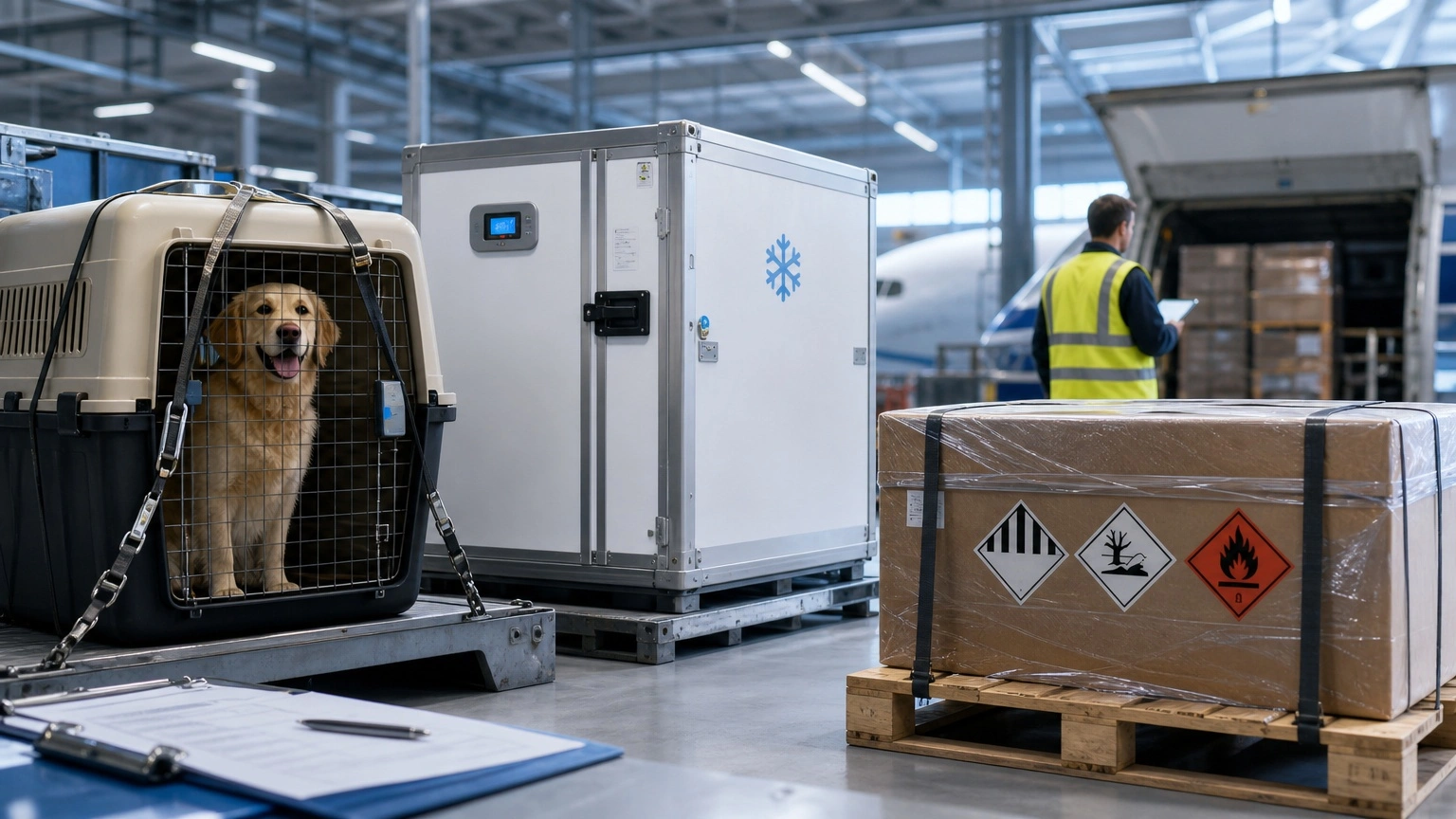
Animals are highly sensitive to stress and temperature fluctuations. Just like perishable logistics or pharmaceuticals, animal logistics relies heavily on temperature-controlled environments (specialized reefers or climate-controlled aircraft cargo holds) to prevent heat stroke or hypothermia.

3. Stress Reduction and Welfare

Long-distance travel is inherently stressful for animals. Professional handlers must plan routes that minimize transit times, schedule necessary rest stops, and ensure proper hydration and ventilation throughout the journey.

Essential Components of a Reliable Animal Logistics Solution

When choosing an animal relocation partner or setting up a supply chain for live animals, look for these industry standards:

Custom Crate and Kennel Selection

According to IATA regulations, crates must be large enough for the animal to turn around, stand up, and lie down naturally. Proper ventilation on multiple sides and secure locking mechanisms are non-negotiable.

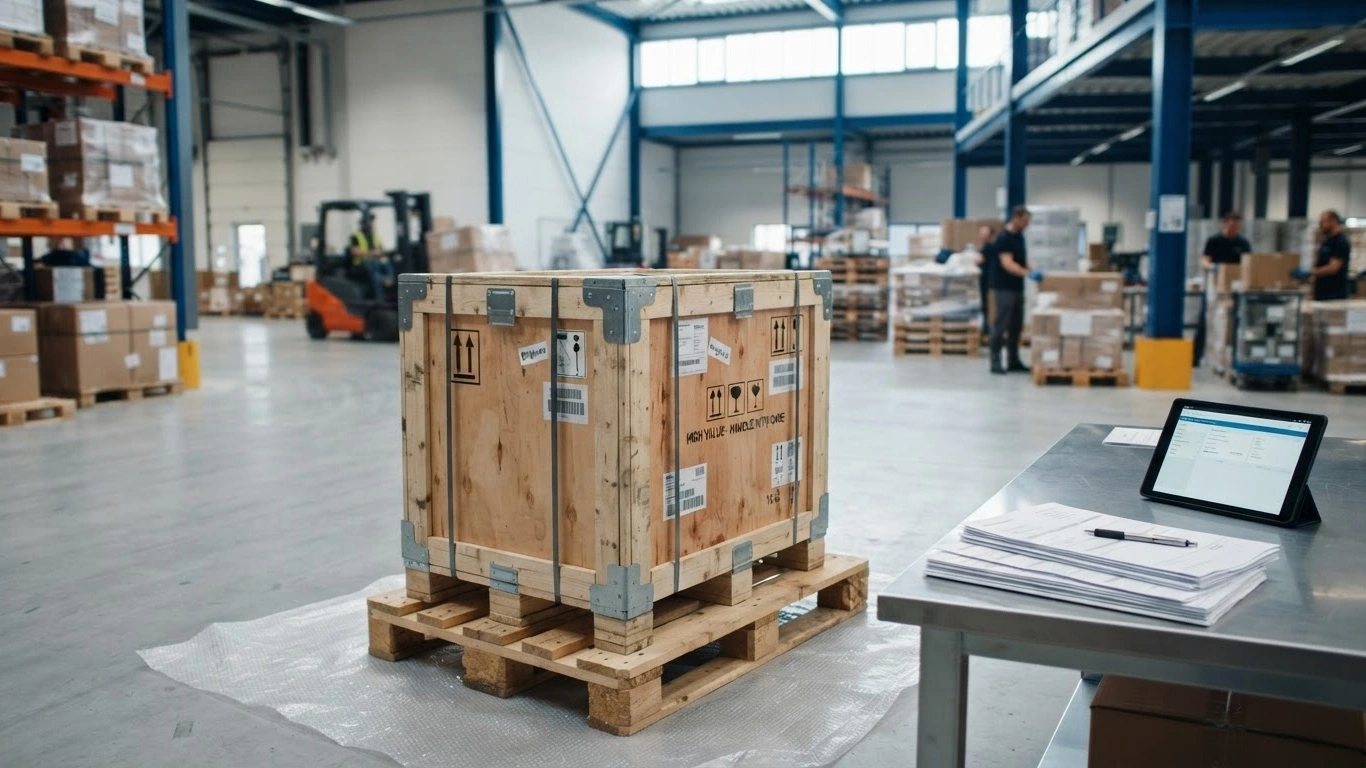
Comprehensive Documentation & Customs Clearance

A single missing document can lead to lengthy quarantines. A robust logistics process includes handling:

  • International health certificates
  • Vaccination records (e.g., Rabies titers)
  • Import/Export permits

Door-to-Door Tracking and Pet Courier Services

For domestic and high-value animal transport, animal courier services provide dedicated handlers who accompany the animals, providing real-time updates and peace of mind to the owners or businesses.

Why Choose Anchor Express for Your Live Animal Logistics?

At Anchor Express, we combine our extensive supply chain expertise with a deep commitment to animal welfare. Our specialized live animal transport services are designed to offer seamless, safe, and stress-free journeys for any species.

  • Certified Handlers: Our team is trained in IATA Live Animals Regulations.
  • Route Optimization: We plan the fastest, safest routes to reduce travel stress.
  • End-to-End Visibility: Stay informed with real-time tracking at every milestone.

Conclusion

Live animal transport is not just about moving cargo; it is about protecting lives. Partnering with an experienced logistics provider ensures that your animals arrive healthy, safe, and fully compliant with all legal standards.

Contact Anchor Express today to get a custom quote for your animal logistics needs! click

Like this post?

Share the Post:

Related Posts

Join our newsletter to stay updated