
Live Animals, Pharmaceuticals or Dangerous Goods: Which Cargo Is the Most Challenging to Transport?

Different shipments come with different demands: some need specialized packaging, others require precise temperature control, and many depend on strict regulatory paperwork
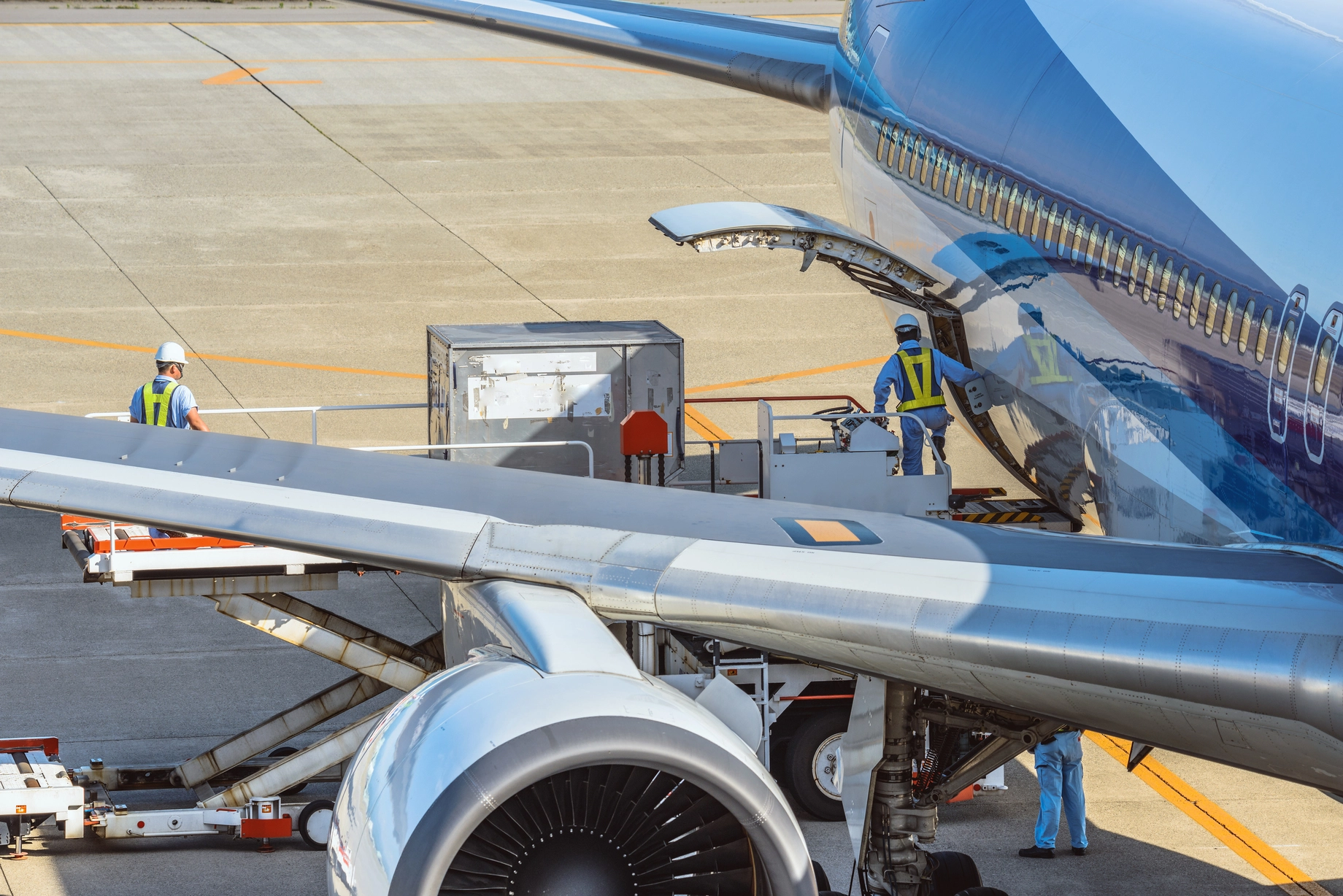
This is where specialty logistics comes in.

Live animals, pharmaceuticals and dangerous goods are three very different types of cargo, but they all have one thing in common: there is very little room for error.

So, which one is the most challenging to transport?

The answer depends on what makes the shipment difficult.

1. Live Animals: You Can't Put Them on Pause

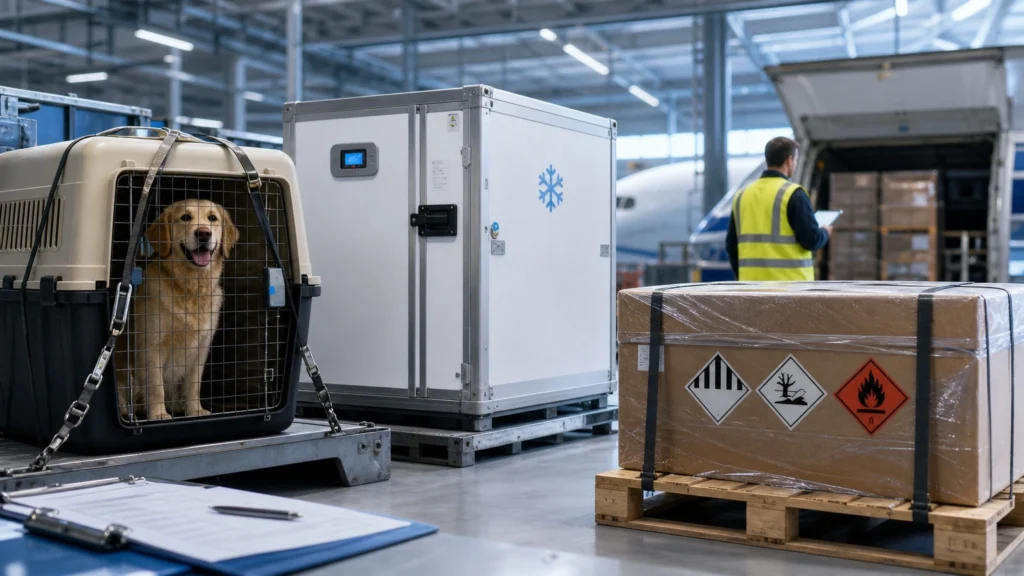
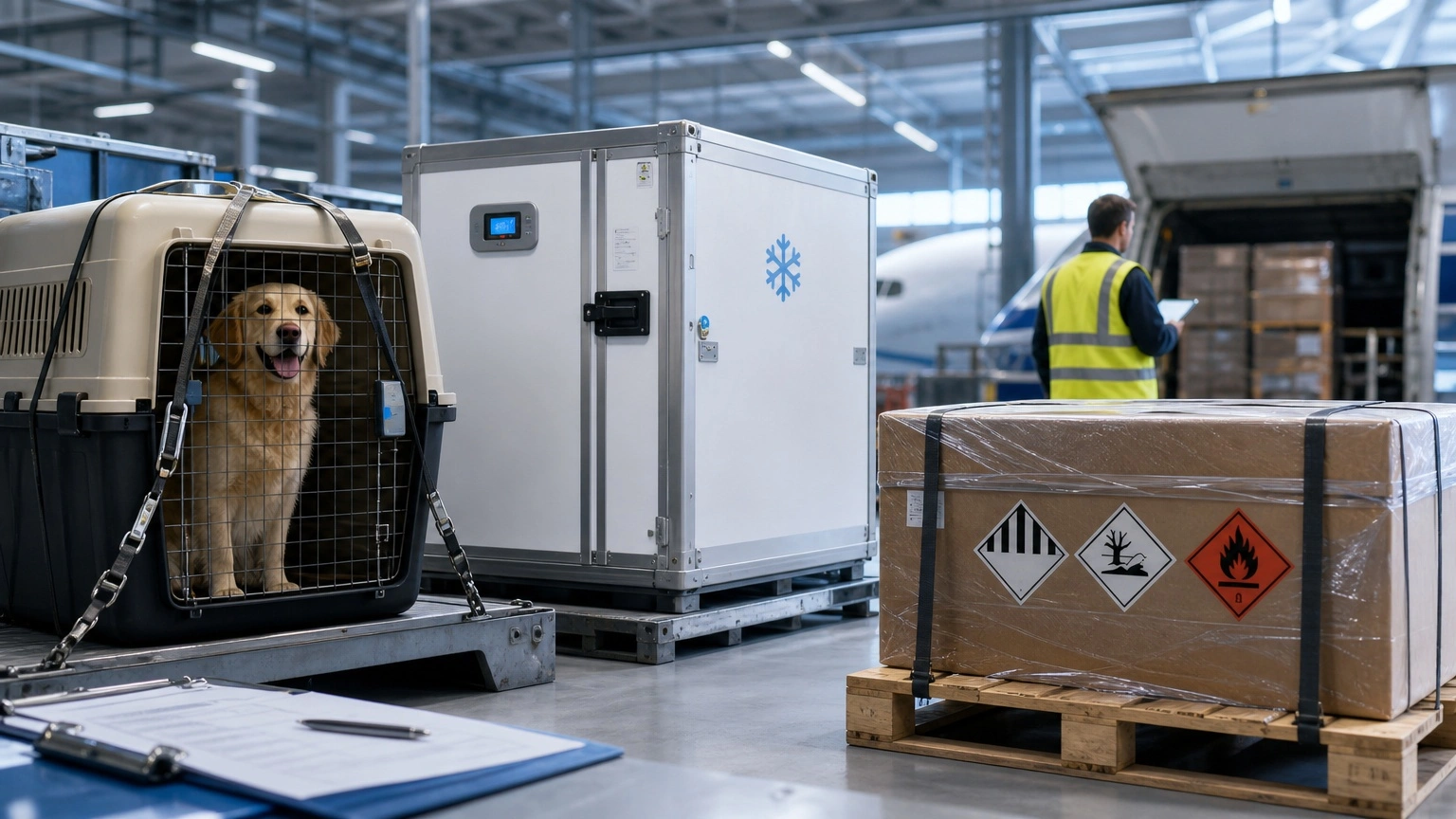
Transporting live animals is one of the most sensitive areas of air cargo.

Unlike regular freight, animals are living beings whose welfare has to be considered throughout the entire journey. Temperature, ventilation, hydration, journey duration, container requirements and handling procedures can all affect their wellbeing.

The process also involves much more than simply booking a flight.

Before an animal shipment moves, teams may need to verify health documentation, import permits, container requirements, routing, airline restrictions and other country-specific requirements.

The International Air Transport Association (IATA) sets worldwide Live Animals Regulations (LAR) standards for transporting live animals by air, covering areas such as documentation, containers, handling, loading and animal welfare.

The biggest challenge:
The cargo itself is alive and can be affected by stress, temperature, handling and delays.

2. Pharmaceuticals: When Temperature Matters

Pharmaceutical logistics has a different kind of risk.

A shipment can look perfectly fine on the outside, but if the temperature spiked or dropped for even a short window, the medication inside could be ruined

Vaccines, biologics and other temperature-sensitive healthcare products may require carefully controlled conditions throughout transportation. This means temperature management cannot stop when the shipment leaves the warehouse — it has to be considered across the entire supply chain.

IATA’s Temperature Control Regulations establish requirements for transporting and handling pharmaceutical and other temperature-sensitive healthcare products, including the use of temperature-sensitive labeling and acceptance procedures.

Modern pharmaceutical shipments can also be extremely high-value, which makes the consequences of a logistics failure even greater.

The biggest challenge:
You may not know something went wrong until it is already too late.

3. Dangerous Goods: Safety Comes First

Dangerous goods create a completely different challenge.

The issue isn’t simply protecting the shipment — it’s protecting everyone who comes into contact with it.

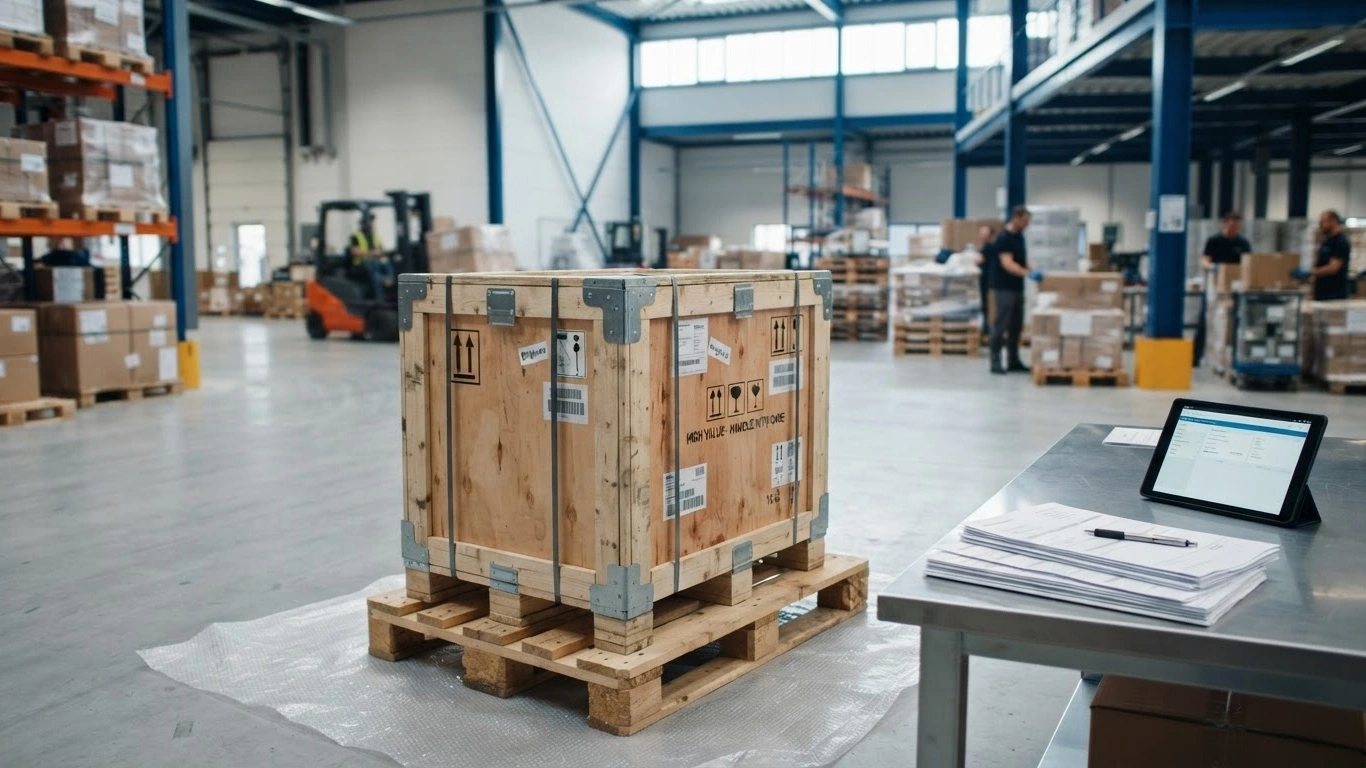
Depending on the classification, dangerous goods may require specific packaging, labeling, documentation, handling and routing. Items like lithium batteries (found in everyday electronics), chemicals, gases, and other regulated materials each have distinct requirements.

The IATA Dangerous Goods Regulations provide the framework used to prepare and document dangerous goods shipments for air transport, with the 2026 edition in force from January 1, 2026.

Even a small documentation or packaging error can prevent a shipment from being accepted or cause significant delays.

The biggest challenge:
A mistake can become a safety issue, not just a delivery issue.

4. Managing the Entire Chain

A specialty shipment rarely involves just one company.

There may be the shipper, freight forwarder, airline, ground handler, customs authorities, warehouse teams and destination partners — all handling different parts of the journey.

Every handoff creates another potential point of failure.

That’s why successful specialty logistics depends on planning, communication, compliance and experienced coordination.

Whether you’re transporting a live animal, a temperature-sensitive pharmaceutical shipment or dangerous goods, the goal is the same:

Get the right cargo to the right destination — safely, compliantly and without unnecessary risk.

At Anchor Express, we coordinate specialty shipments with the specific requirements of the cargo in mind, from planning and documentation to handling and final delivery.

Because when your cargo requires special care, standard logistics isn’t enough.

Have questions about your next shipment? Contact the team at Anchor Express today to find a safe, compliant, and cost-effective solution. click

Like this post?

Share the Post:

Related Posts

Join our newsletter to stay updated