
Our First GLN Conference: A New Step for Anchor Express

International logistics depends on more than transportation. Behind every successful shipment is a network of logistics professionals working across countries, time zones, and different business environments. Strong partnerships help connect these individual efforts into one reliable and efficient supply chain.

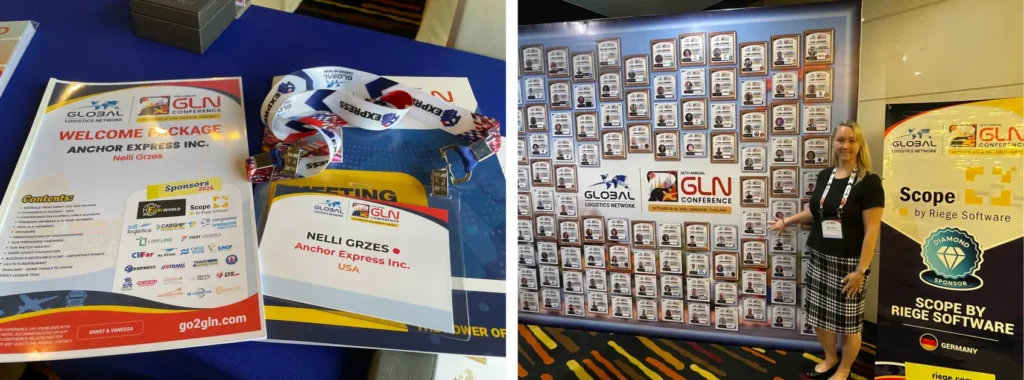
In October 2026, Anchor Express participated in the GLN Conference in Bangkok for the first time. For our team, it was an opportunity to meet international partners, exchange practical experience, and explore new ways to strengthen cooperation within the global logistics network.
But what makes these partnerships valuable in everyday operations? And how do the connections made at international conferences translate into better service for customers? Here are some of the key aspects of collaboration that shape the way international logistics works.

1. How Logistics Partnerships Work Behind the Scenes

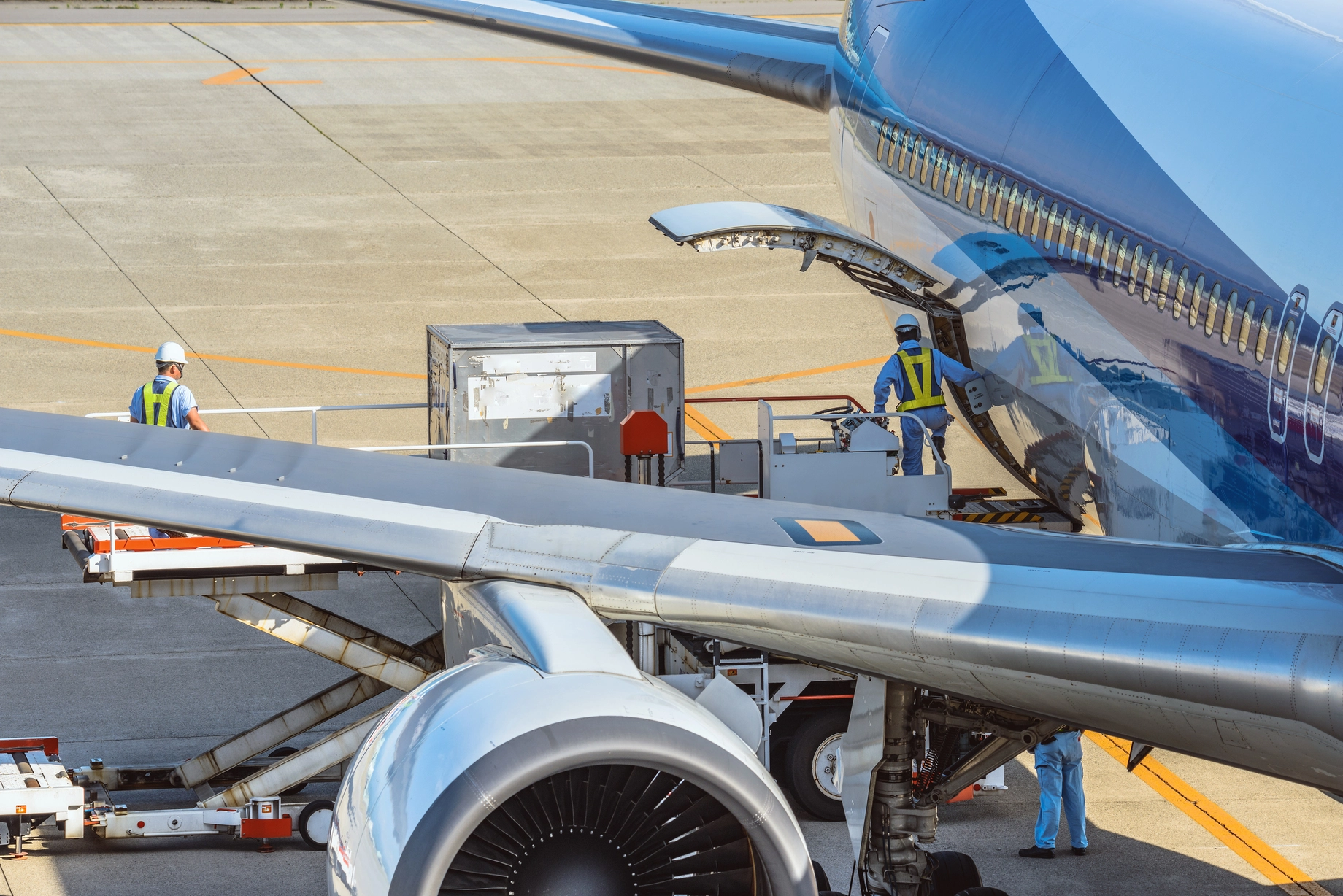
An international shipment often involves several logistics companies, each responsible for a different part of the journey. A shipment moving from the United States to Southeast Asia, for example, may require a local pickup, export documentation, international air or ocean transportation, customs clearance, and final delivery.
While one company may coordinate the shipment at origin, another partner manages the destination-side operations. Each company brings its own local knowledge, operational resources, and relationships with carriers and customs authorities.
The challenge is making all these individual steps work as one coordinated process. Partners need to exchange shipment details, confirm schedules, prepare documentation, and communicate updates whenever circumstances change.
Even a small delay in communication can affect the next stage of transportation. Missing information, unclear responsibilities, or delayed responses may create additional costs and disrupt delivery schedules.
A strong international partner network helps reduce these risks. When logistics companies know how to work together, they can coordinate operations more efficiently, respond to unexpected challenges, and maintain visibility throughout the shipment journey.
For customers, much of this coordination happens behind the scenes. What matters most is that the shipment moves as planned and that someone is ready to act when something changes.

2. What Makes a Good Logistics Partner?

A global network creates opportunities, but successful cooperation depends on the quality of the relationships within it. In everyday logistics, a good partner is not simply a company that can arrange transportation. It is a team that can be trusted to communicate clearly, respond quickly, and take responsibility for its part of the process.

Fast and clear communication
International shipments often operate under tight deadlines. A quick response can help confirm a booking, resolve a documentation issue, or prevent a delay from affecting the entire delivery schedule. Partners who communicate proactively make it easier for everyone involved to plan the next step.

Reliability and accountability
Reliable partners follow through on their commitments and provide updates when plans change. If a shipment encounters an unexpected issue, transparency and timely communication are more valuable than simply waiting until someone asks for an update.

Local expertise
Every market has its own customs procedures, documentation requirements, infrastructure, and operational challenges. A knowledgeable local partner can identify potential issues early and help find practical solutions that may not be obvious to a company operating from another country.

Flexibility and problem-solving
Logistics rarely goes exactly as planned every time. Flights can be delayed, cargo can require additional documentation, and urgent shipments may need alternative routing. Good partners focus on finding solutions, coordinating with the relevant teams, and keeping everyone informed.

Trust built through experience
Trust develops through consistent cooperation. Every successfully handled shipment, difficult situation resolved, and commitment fulfilled strengthens the relationship between partners. Over time, this creates a foundation for more efficient collaboration and more complex logistics projects.

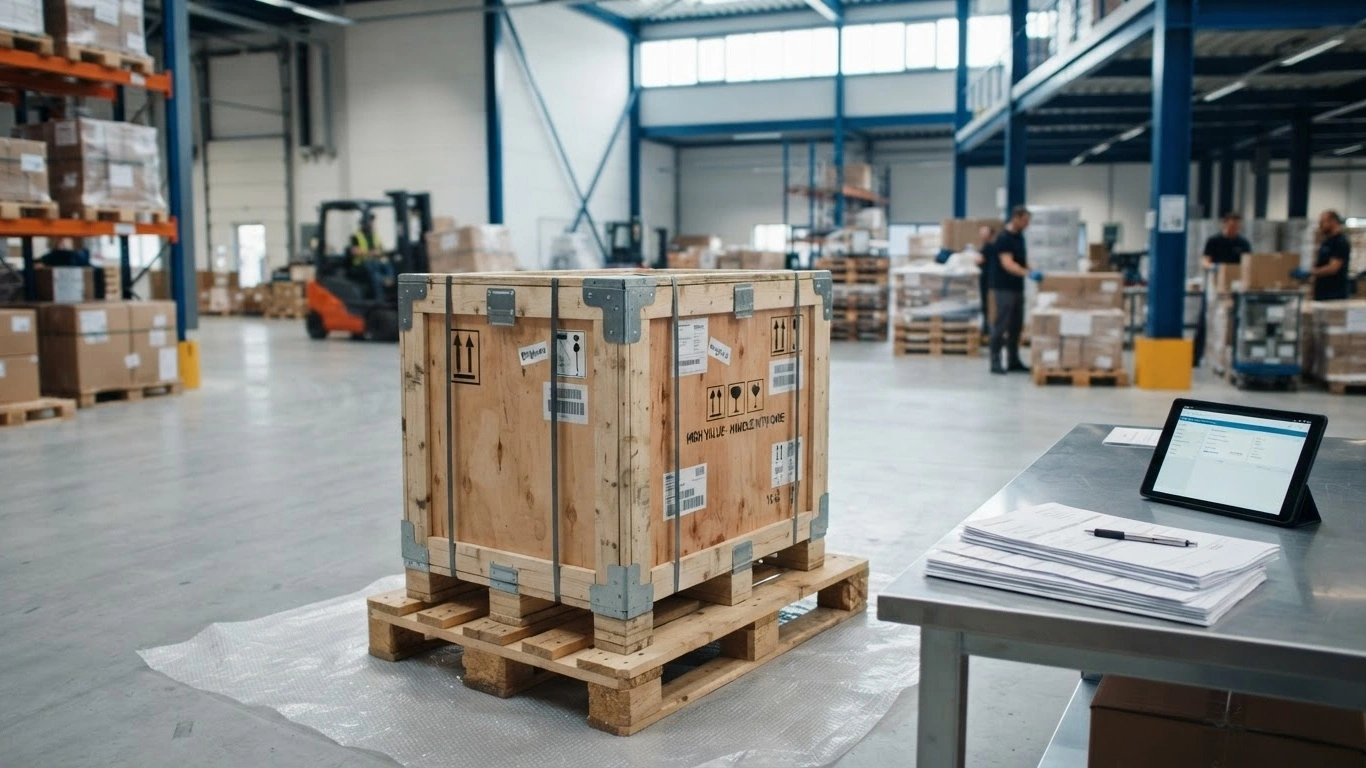
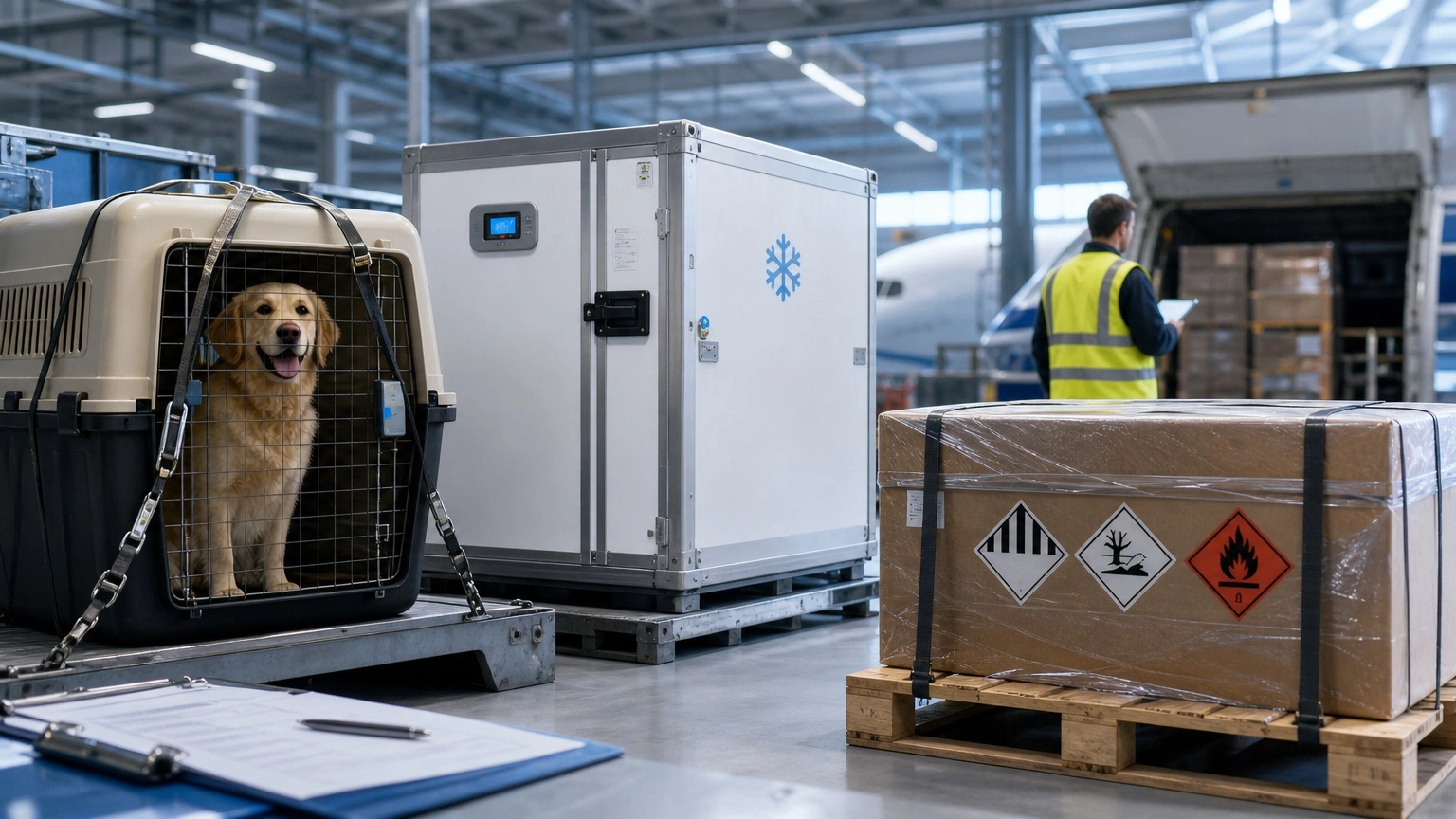
These qualities become particularly important when handling time-critical shipments or specialized cargo, where delays and communication gaps can have significant consequences. The right partner does more than complete an individual task — they help protect the success of the entire shipment.

3. Nelli Grzes: Why Communication Matters in Logistics

As Inside Sales at Anchor Express, my day is built on conversations with global partners. While everyone knows communication is important, in logistics, how you communicate is often the difference between a seamless delivery and a costly delay.
In my experience, great communication goes far beyond just replying to emails quickly. It’s about translating operational context. Every country has its own workplace norms, local nuances, and specific ways of framing urgency. A routine update from a partner in Asia might mean something entirely different in context than a similar update from Europe or North America. My goal is always to bridge those subtle gaps—reading between the lines of a partner’s request so we can catch potential misunderstandings before they turn into physical bottlenecks.
Furthermore, real communication means asking the uncomfortable questions upfront. In Inside Sales, it’s easy to focus on closing a quote or confirming a lane. But asking about precise cargo dimensions, specific loading dock constraints, or holiday schedules before a shipment moves saves hours of fire-fighting later. When we communicate with clarity and empathy, we aren’t just moving freight—we’re building genuine trust across borders.

4. From Meeting New Partners to Real Business Opportunities

International conferences create an opportunity to meet new companies, exchange ideas, and discover potential areas of cooperation. However, the real value of these meetings often becomes clear only after the event.
A conversation in Bangkok may lead to a follow-up email, an introduction between operational teams, a request for a quotation, or the first shipment handled together. If the experience is positive, one shipment can develop into regular cooperation and a long-term business relationship.
This process requires more than exchanging contact details. Partners need to understand each other’s capabilities, service areas, communication preferences, and operational expectations. Maintaining contact after the conference helps turn an initial introduction into a practical working relationship.
For Anchor Express, participating in GLN is an opportunity to strengthen our international connections and explore new ways to support shipments across our global network. Every new relationship can bring additional local expertise, new routing possibilities, and opportunities to serve customers more effectively.
The conference itself is only the starting point. The real achievement is building relationships that continue to create value long after everyone has returned home.

Building Partnerships Beyond the Conference

At Anchor Express, we believe that reliable international logistics starts with reliable people. Strong partnerships connect local expertise with global reach, helping logistics teams coordinate complex shipments and respond to changing customer needs.
Our first GLN Conference marks another step in developing these relationships. The conversations started in Bangkok will continue through daily communication, shared experience, and opportunities to work together.
Let’s connect and explore how we can support each other with international logistics solutions.
If you are a logistics professional interested in building stronger international partnerships, we would be happy to hear from you.

[Request a Quote]

Like this post?

Share the Post:

Related Posts

Join our newsletter to stay updated