Dangerous Goods Demystified: What Makes Your Everyday Items “Hazardous”?

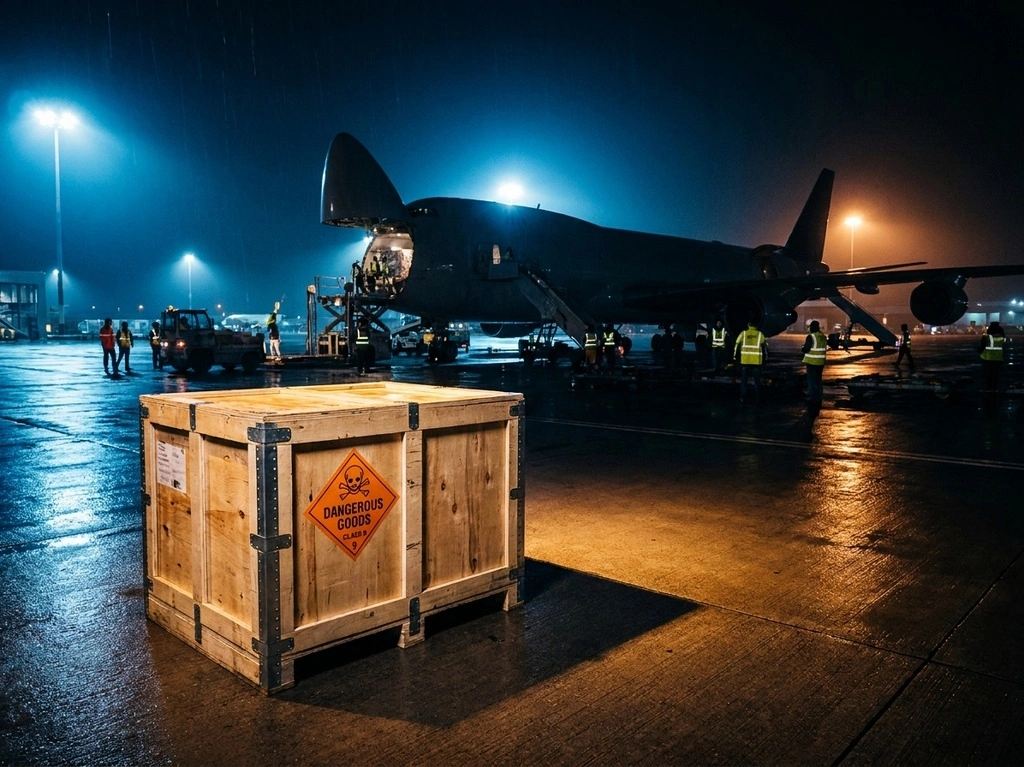
In the world of international logistics, “Dangerous Goods” isn’t just a label for chemicals or explosives. Many common business products—from high-end perfumes to the latest electronics—fall under this category. At Anchor Express, we know that misclassifying these items leads to more than just delays; it leads to heavy fines, grounded shipments, and safety risks.

This guide will help you identify “hidden hazards” and understand how to navigate the complex world of DG shipping to keep your supply chain moving.

Hidden Hazards: Is Your Shipment Secretly Dangerous?

Many shippers are surprised to learn that everyday consumer goods require special handling. These are often called “Hidden Hazards.”

– Lithium Batteries: Found in everything from laptops to medical devices. They are highly regulated due to their fire risk.

– Perfumes and Aerosols: Products containing alcohol or pressurized gases are classified as flammable liquids or gases.

– Magnets: High-powered magnets used in industrial equipment can interfere with aircraft navigation systems.

– Cleaning Supplies: Even standard industrial cleaners can be corrosive or toxic.

Pro Tip: If your product contains power, scent, or pressure, it likely requires a DG assessment.

The Power of Paperwork: The Role of the MSDS

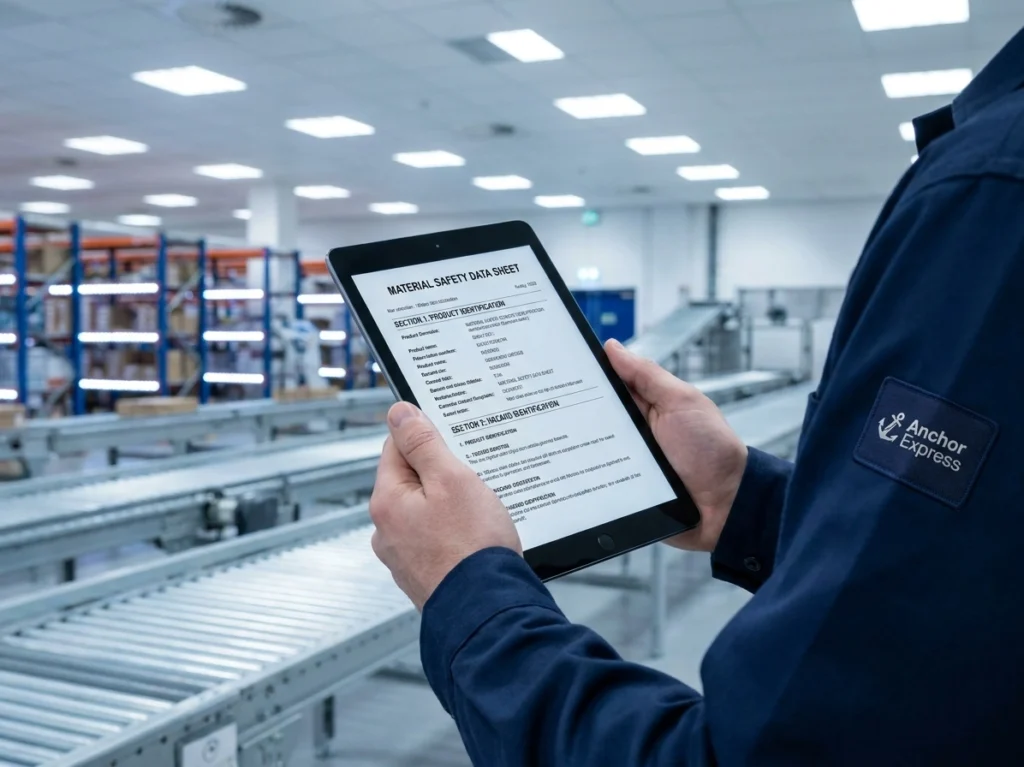
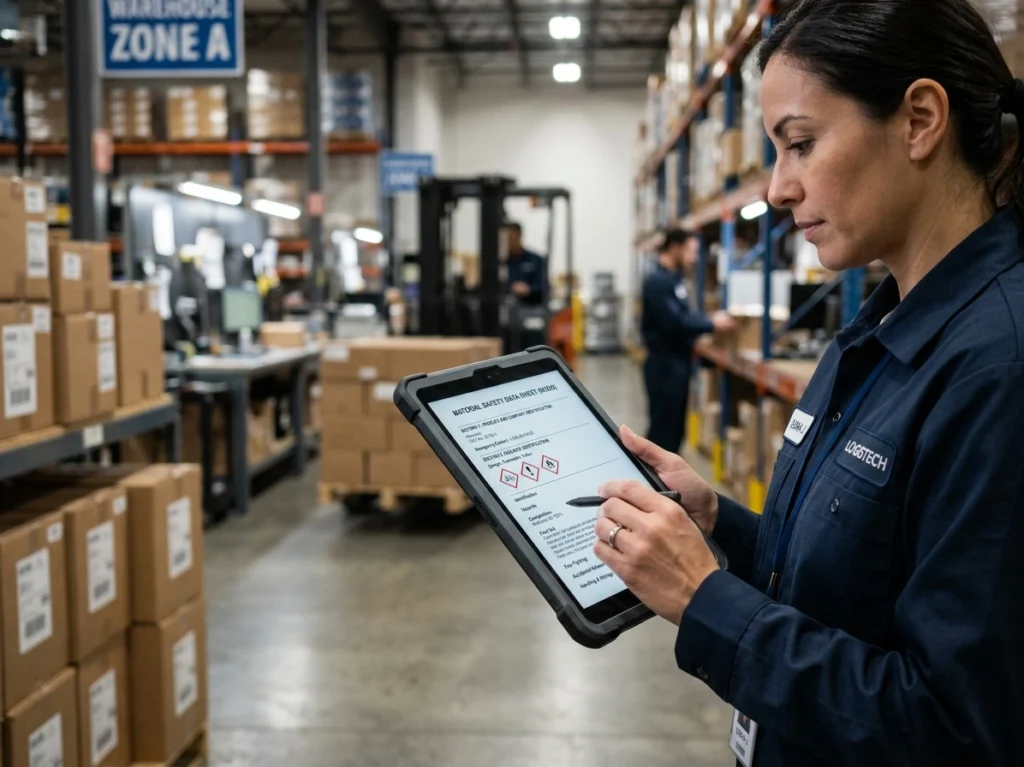
In DG logistics, paperwork is your passport. The most critical document is the MSDS (Material Safety Data Sheet) or SDS.

A 100% accurate MSDS is the only way to clear customs fast. It tells the carrier and customs authorities exactly:

– What the substance is.

– How to handle it safely.

– What to do in case of an emergency.

At Anchor Express, we review your MSDS before the shipment even leaves the warehouse. Incomplete paperwork is the #1 reason for “grounded” shipments. Ensure your MSDS is up-to-date and matches the physical labels on your cargo.

Specialized Packaging: The Rule of UN-Spec Boxes

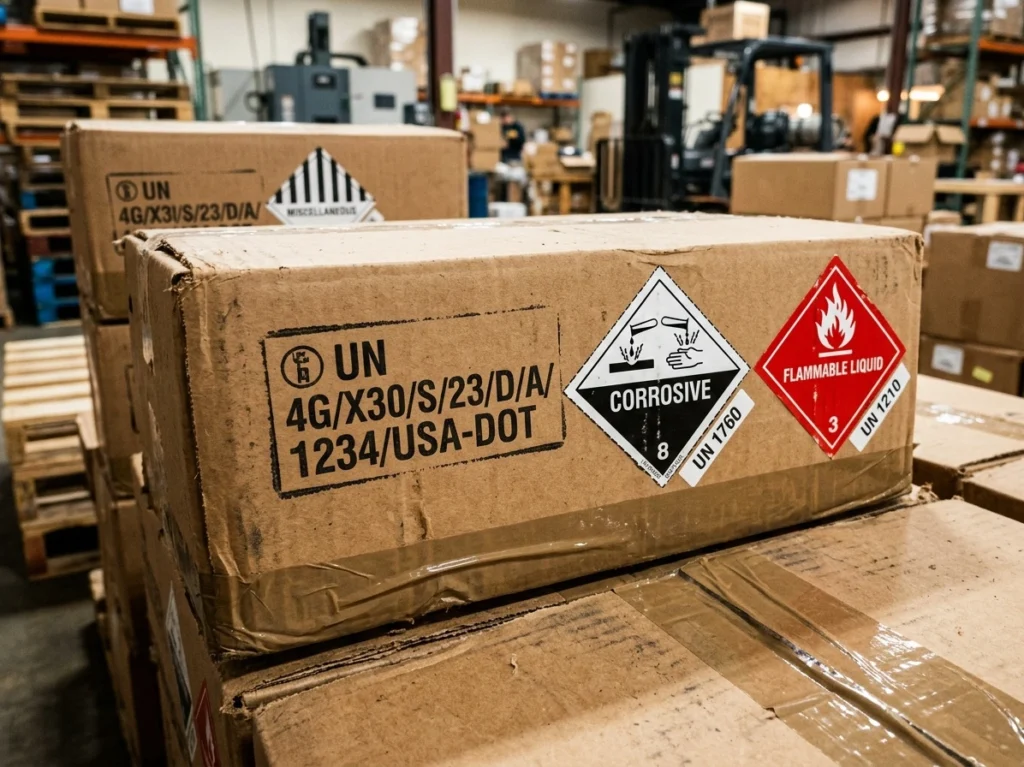
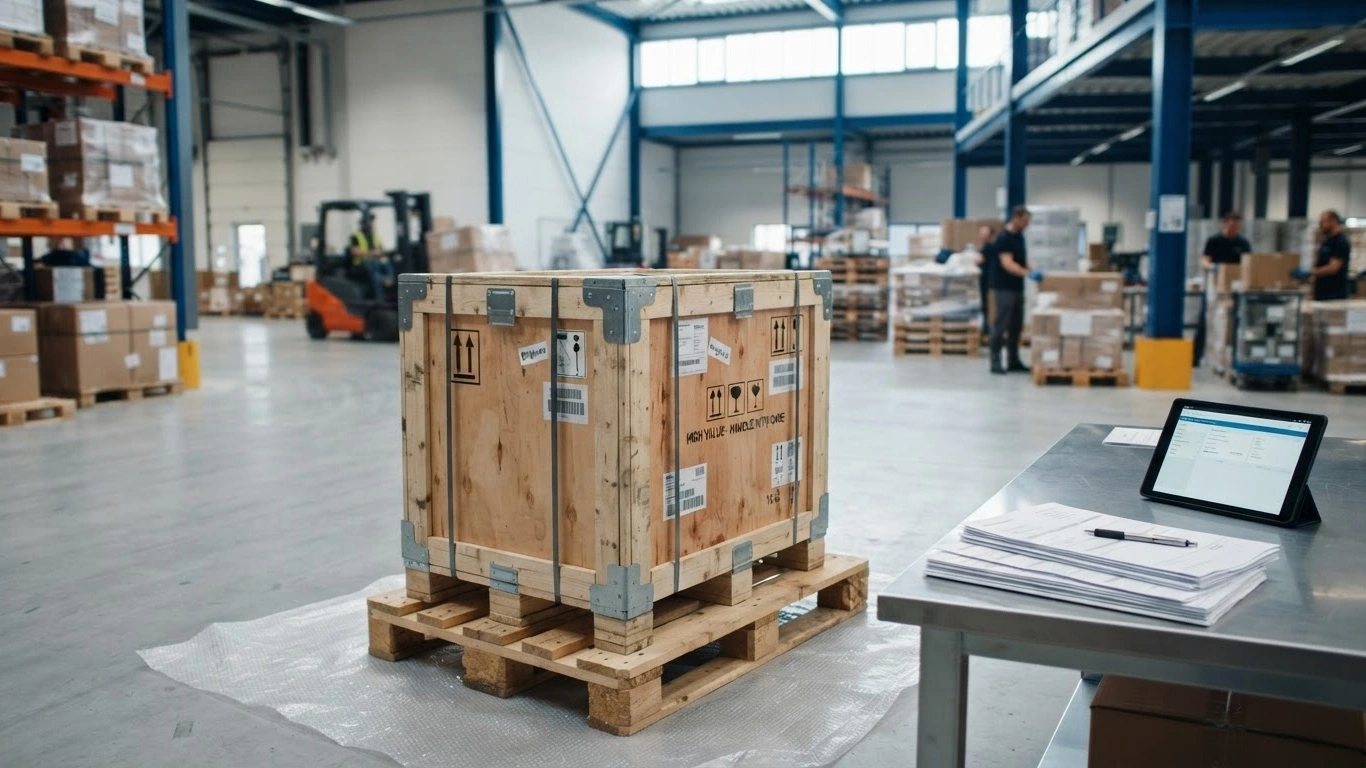
You cannot ship dangerous goods in standard cardboard boxes. For legal compliance and physical safety, UN-certified packaging is mandatory.

These boxes are tested for:

  • Pressure resistance (critical for air freight).
  • Stacking strength.
  • Leakage prevention.

Using non-compliant packaging doesn’t just risk a leak; it is a serious legal violation that can result in your company being blacklisted by major airlines. Anchor Express ensures that all DG shipments use the correct UN-spec boxes with the appropriate hazard class labels.

Cargo Aircraft Only (CAO): Navigating Restrictions

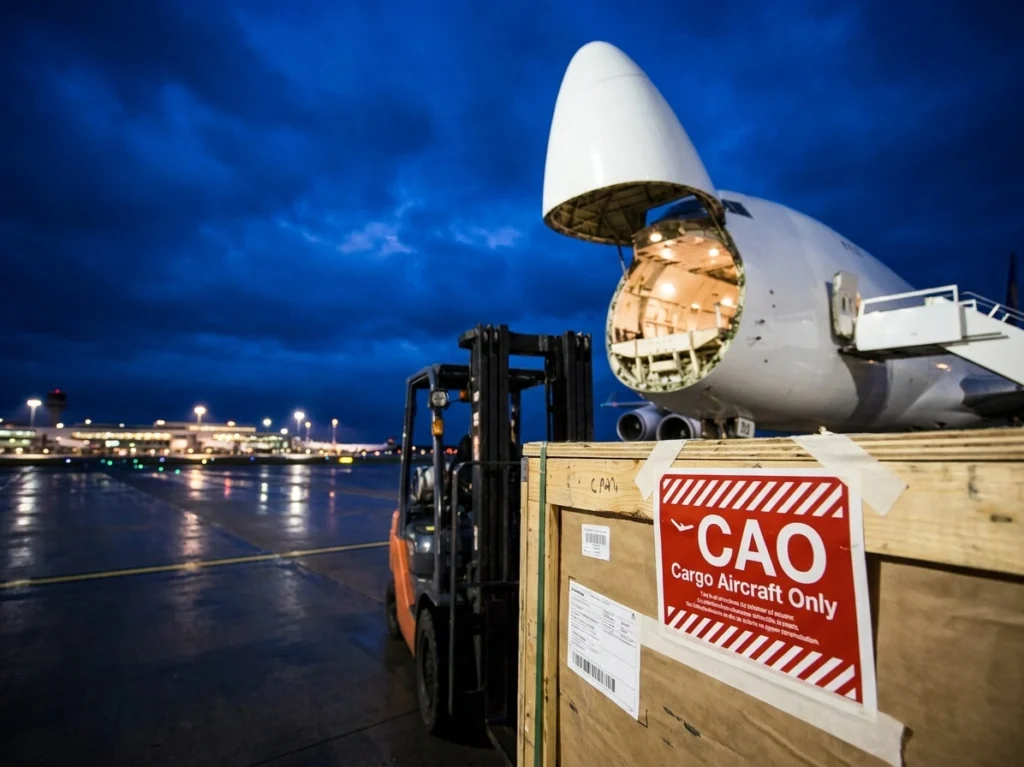
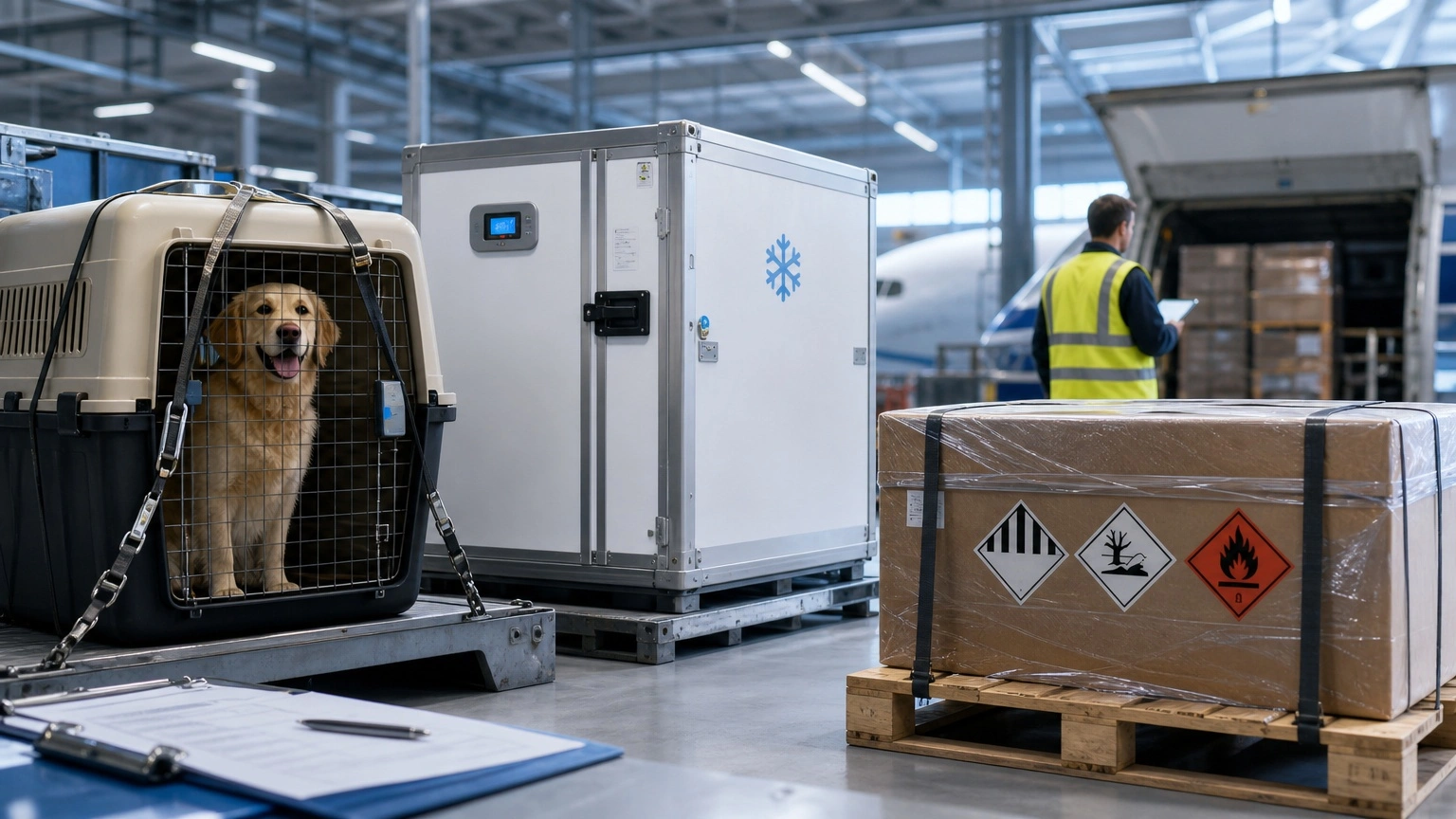
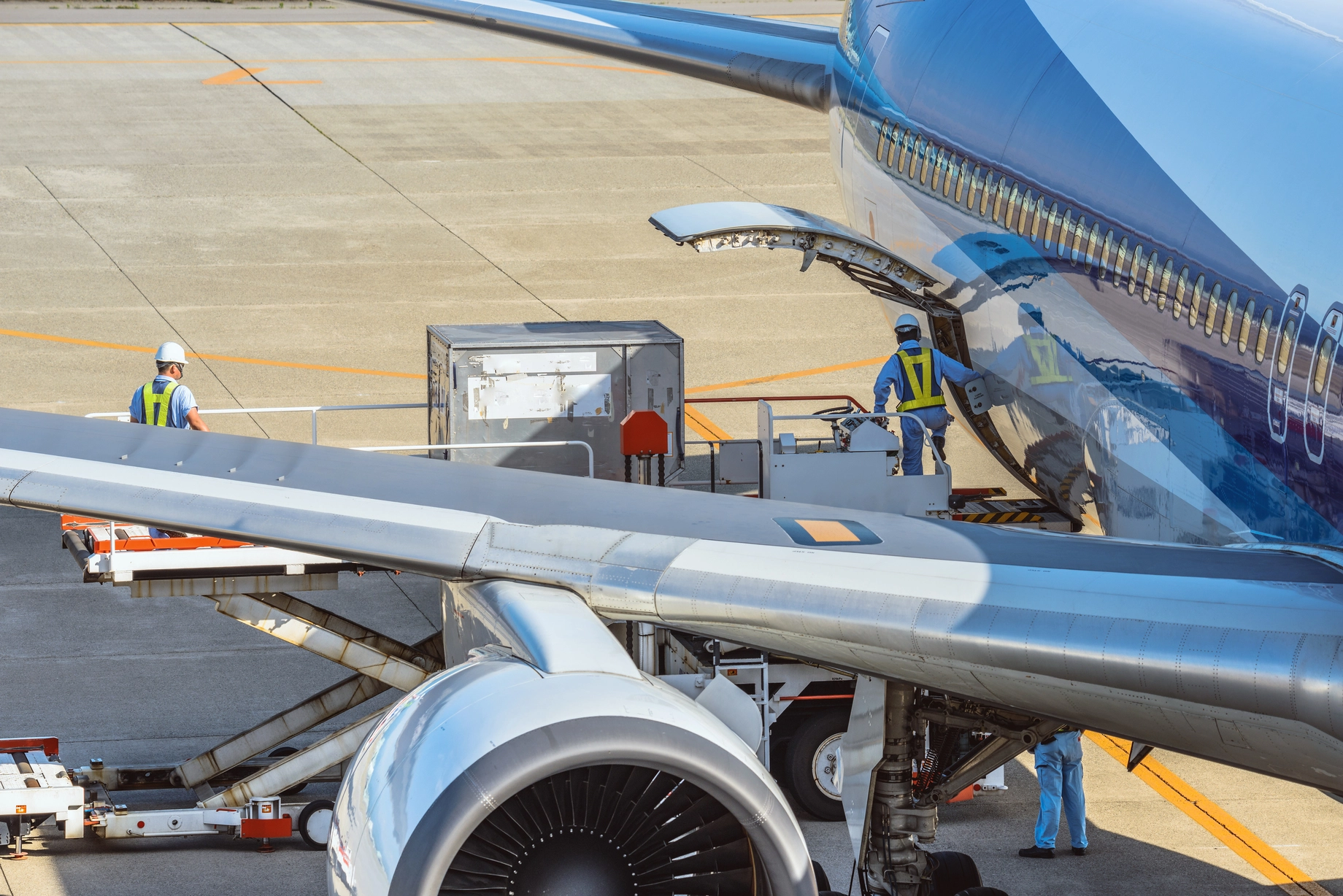
Not all planes are created equal. Many DG items are strictly prohibited on passenger aircraft and must be marked with the Cargo Aircraft Only (CAO) label.

– Why it matters: CAO restrictions mean your shipment must wait for a dedicated freighter (cargo plane). This can affect your lead times and pricing.

– Our Solution: We help you navigate these restrictions by booking space on reliable freighter networks, ensuring your high-capacity lithium batteries or large-scale chemicals move without interruption.

Why Choose Anchor Express for Your DG Shipments?

Shipping dangerous goods requires a partner who understands the IATA and IMDG regulations inside out. Anchor Express provides:

– DG-Certified Experts: Our team knows the nuances of hazard classes.

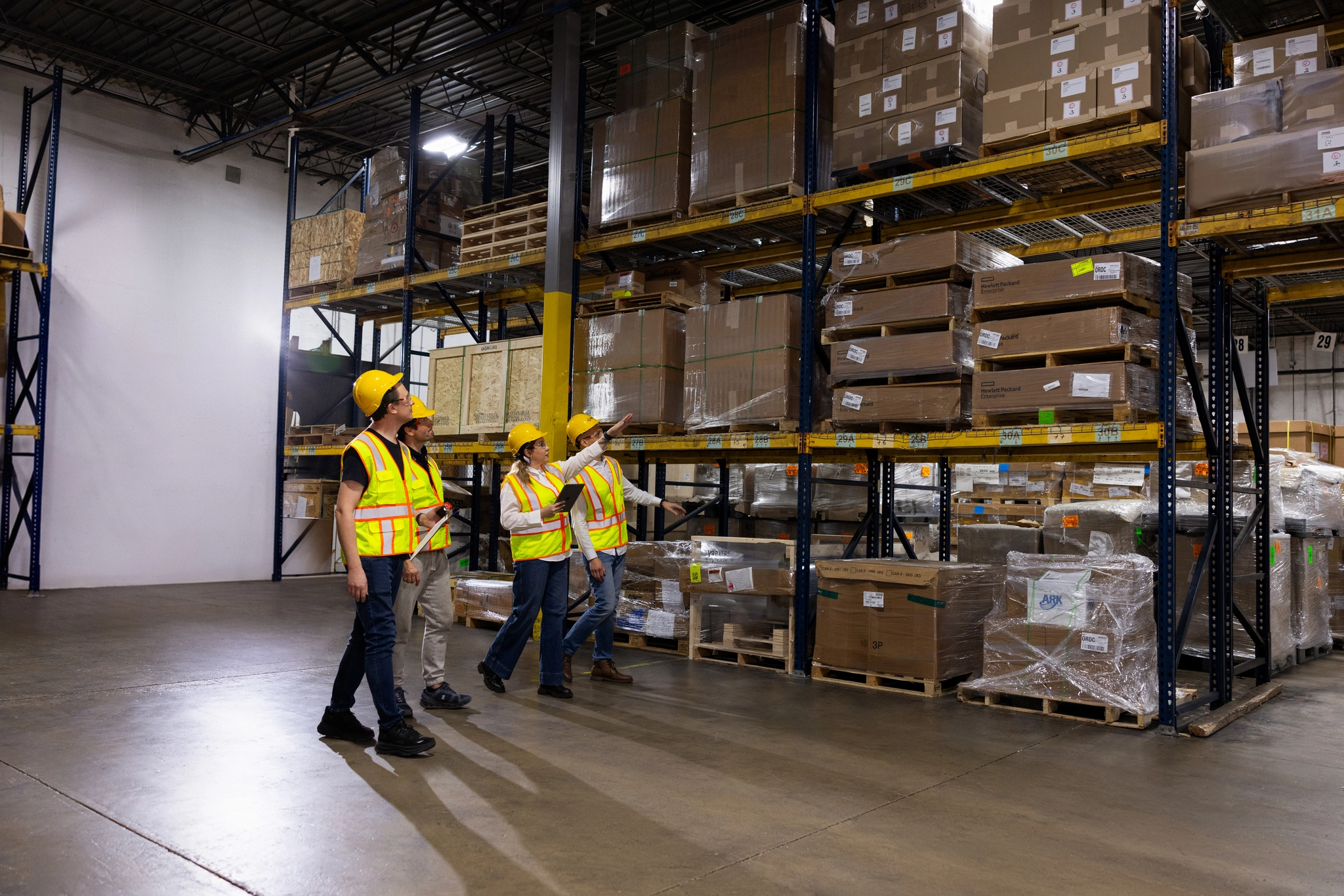
– Pre-Shipment Audits: We check your labels and MSDS to prevent customs delays.

– Global Reach: Through our Neutral Air Partner network, we have access to specialized carriers worldwide.

Stop Guessing, Start Shipping. Don’t risk your reputation on a “hidden hazard.” [Contact] the Anchor Express DG team today for a professional consultation and a seamless shipping experience.

Contact Anchor Express to discuss building a resilient logistics strategy! click

Like this post?

Share the Post:

Related Posts

Join our newsletter to stay updated