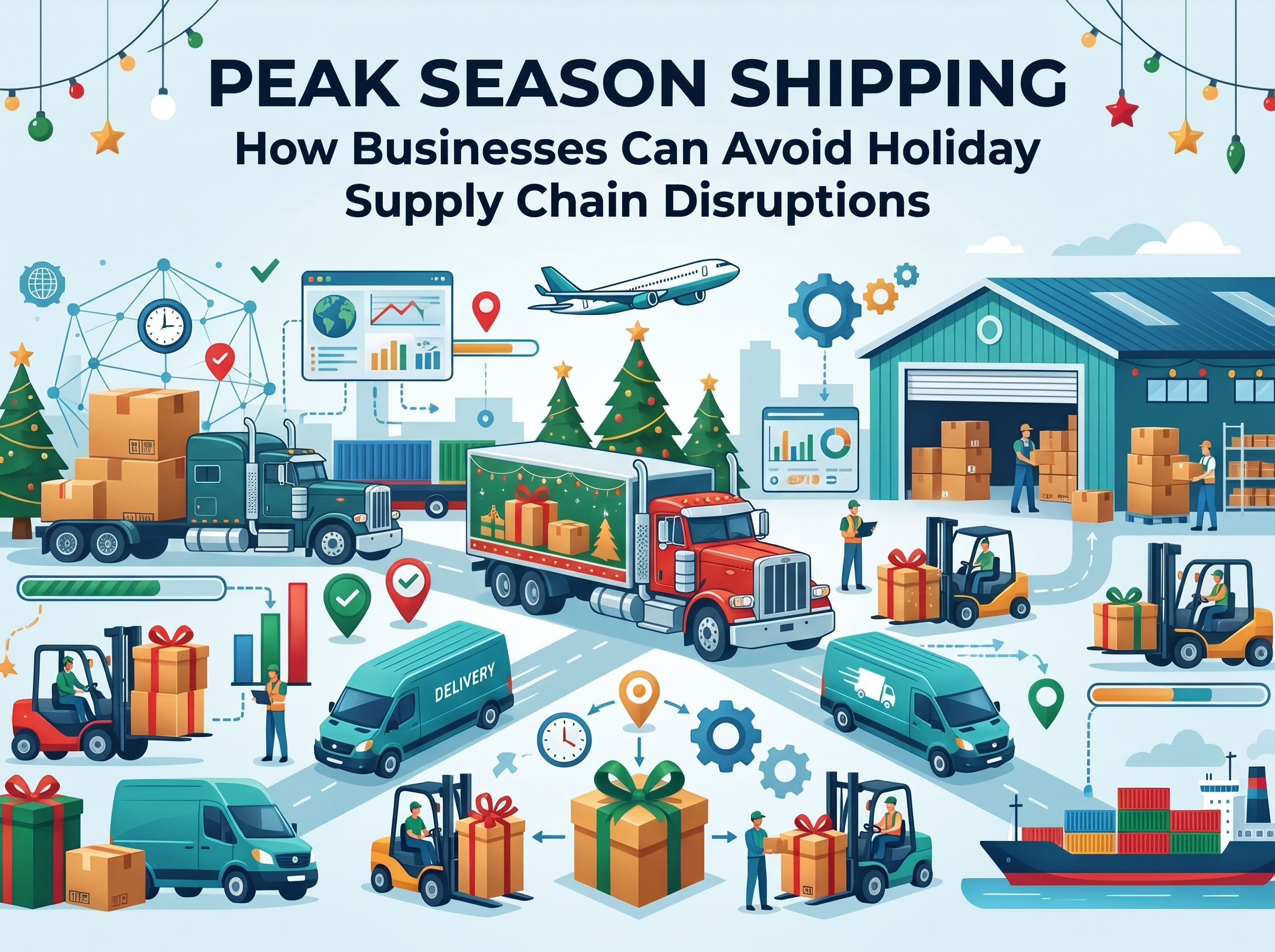
Peak Season Shipping: How Businesses Can Avoid Holiday Supply Chain Disruptions
The holiday season is one of the busiest periods of the year for global logistics. As businesses prepare for Black
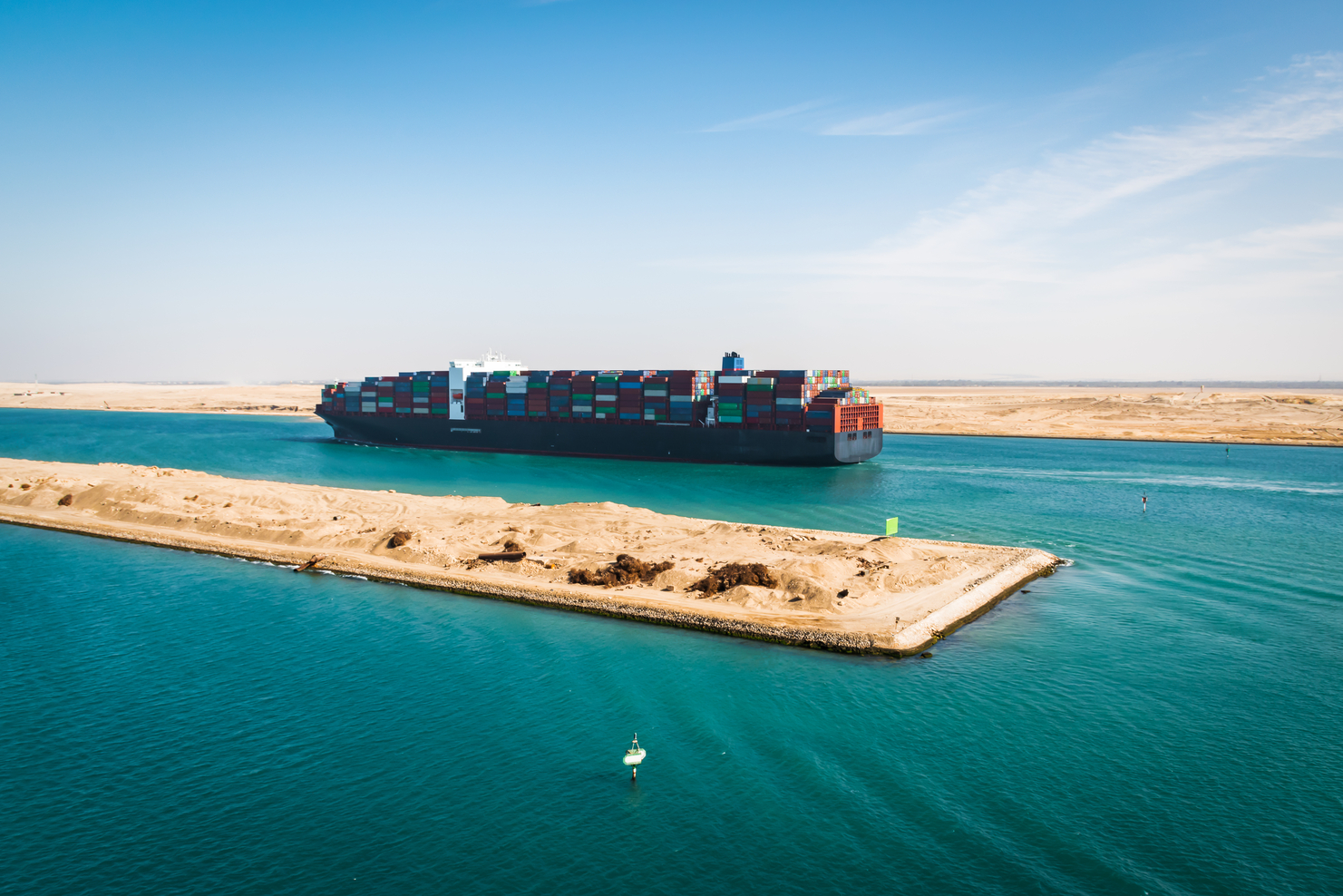
Global shipping routes have connected businesses, manufacturers, and consumers across continents for decades. However, the international transportation industry is facing a period of significant change. Geopolitical tensions, rising fuel costs, environmental challenges, and disruptions at major shipping canals are forcing carriers to reconsider established transportation routes.
For importers and exporters, these changes mean more than longer delivery times. They can directly affect transportation budgets, inventory management, production schedules, and supply chain reliability.
Understanding why global shipping routes are changing — and how to respond — has become an essential part of international logistics planning.
International ocean freight depends on a complex network of shipping lanes, ports, canals, and transportation infrastructure. Even a relatively small disruption along a major trade route can create consequences across multiple continents. One of the most significant challenges in recent years has been instability in the Middle East, particularly around the Red Sea and the Suez Canal.
Security concerns have forced many shipping companies to reconsider whether vessels should continue using traditional routes between Asia and Europe. Instead of passing through the Suez Canal, some carriers have redirected vessels around the southern coast of Africa. Although this alternative allows international trade to continue, it increases sailing distances, fuel consumption, and operational costs.
The situation illustrates an important reality: the shortest shipping route is not always the safest or most reliable option.
Shipping companies must constantly balance transportation costs, vessel security, transit times, and customer requirements when selecting routes.
For businesses relying on international suppliers, these decisions can create unexpected changes in delivery schedules and freight rates.
Several narrow waterways play a critical role in connecting global markets. These strategic locations, often referred to as shipping chokepoints, allow vessels to avoid significantly longer journeys. When access becomes restricted, international supply chains can experience immediate pressure.
Suez Canal: Connecting Europe and Asia
The Suez Canal connects the Mediterranean Sea with the Red Sea, providing one of the most important maritime shortcuts between Europe and Asia. Without this passage, many vessels must travel around Africa through the Cape of Good Hope. Security concerns in the surrounding region have made the Suez route increasingly challenging for some carriers. As a result, shipping companies must evaluate whether shorter transit times justify the potential risks.
Panama Canal: A Critical Link Between Two Oceans
The Panama Canal connects the Atlantic and Pacific Oceans, helping vessels avoid the much longer journey around South America. It plays an important role in trade between Asia, the United States, Europe, and Latin America. However, the canal depends heavily on freshwater resources to operate its locks. Reduced rainfall and changing weather patterns can limit the number of vessels permitted to transit. Such restrictions may increase waiting times, complicate vessel scheduling, and create additional costs for shipping companies.
Strait of Hormuz: A Strategic Energy Corridor
Located between the Persian Gulf and the Gulf of Oman, the Strait of Hormuz is particularly important for international energy transportation. A significant share of global oil and liquefied natural gas shipments traditionally passes through this narrow waterway. Disruptions can influence energy markets, tanker availability, and transportation costs far beyond the Middle East.
Strait of Malacca: Connecting Asian Trade Routes
The Strait of Malacca connects the Indian Ocean with the South China Sea and is one of the busiest maritime corridors in the world. It supports trade between major Asian manufacturing centers and international markets. Because the passage is relatively narrow and heavily used, congestion, accidents, or security incidents can affect regional shipping schedules. For global businesses, these chokepoints demonstrate why transportation planning must consider more than distance alone. Canal fees, vessel restrictions, security conditions, and infrastructure limitations all influence the final cost and reliability of international shipping.
Fuel is one of the major operating expenses for ocean carriers. As oil prices increase, marine fuel — commonly known as bunker fuel — can also become more expensive. These changes influence the cost of transporting containers and other cargo around the world. Shipping companies may respond by introducing or adjusting fuel-related surcharges, including Bunker Adjustment Factors (BAF) or emergency fuel surcharges. However, fuel prices are only one part of the equation.
When vessels must follow longer routes, they consume more fuel and spend additional days at sea. Shipping companies may also face increased crew expenses, insurance costs, and vessel operating costs.
For example, a vessel traveling between Asia and Europe via the Cape of Good Hope may require considerably more sailing time than one using the Suez Canal. These additional expenses can eventually be reflected in freight rates paid by importers and exporters. Businesses should therefore consider the total transportation cost rather than focusing exclusively on the initial ocean freight quotation.
Rerouting vessels is sometimes necessary to maintain safety and operational continuity. However, longer routes can create challenges throughout the supply chain.
Extended Delivery Times
Additional sailing days can delay the arrival of raw materials, manufacturing components, and finished products. For businesses operating with tight production schedules, even a relatively short delay can affect manufacturing operations or customer commitments.
Container Availability
When vessels spend more time completing each journey, containers remain in transit longer. This can reduce equipment availability at certain ports and complicate planning for subsequent shipments.
Inventory Management
Unpredictable transportation schedules make it more difficult to maintain appropriate inventory levels. Businesses may need to increase safety stock, adjust purchasing schedules, or reconsider how frequently they replenish inventory.
Port Congestion and Scheduling Challenges
Changes in vessel arrival patterns can create pressure on ports and terminals. When several vessels arrive within a short period, cargo handling operations may become congested, potentially affecting inland transportation and final delivery. These disruptions highlight why supply chain reliability is just as important as transportation speed. Companies that depend on international trade need flexible logistics strategies that can adapt when established shipping routes become less predictable.
Although global shipping disruptions cannot always be prevented, businesses can take practical steps to reduce their impact.
Plan Transportation Earlier
Allow additional time for international shipments, particularly when moving cargo through regions affected by security concerns or infrastructure limitations.
Evaluate Alternative Routes
Work with logistics providers that can assess different transportation routes and identify solutions based on cost, transit time, and cargo requirements.
Improve Shipment Visibility
Maintain regular communication with transportation partners and monitor shipment milestones to identify potential delays as early as possible.
Consider Combined Ocean and Air Freight Solutions
When ocean freight delays threaten critical deadlines, moving selected shipments by air may help maintain production schedules or fulfill urgent customer orders. For example, a company may transport most of its inventory by ocean while shipping essential components by air to avoid interruptions.
Build Flexibility Into Supply Chain Planning
Businesses should regularly review their transportation strategies and prepare alternatives for unexpected disruptions. Working with experienced logistics partners can make this process significantly easier.
Navigating Global Shipping Challenges with Anchor Express
Global shipping routes will continue to evolve as economic conditions, geopolitical developments, and transportation infrastructure change. For importers and exporters, the ability to respond quickly and adapt transportation plans is becoming increasingly important.
At Anchor Express, we understand that every shipment has different requirements. Through our global partner network, we provide flexible Air, Ocean, and Ground transportation solutions designed to support businesses facing complex international logistics challenges.
From standard international freight to urgent Time-Critical shipments, our team focuses on responsive communication, reliable coordination, and personalized service.
With 24/7 support and experience managing shipments across international markets, we help customers find practical transportation solutions when circumstances change.
Contact Anchor Express today to discuss your transportation requirements and discover how our team can help keep your supply chain moving.
The holiday season is one of the busiest periods of the year for global logistics. As businesses prepare for Black
Global shipping routes have connected businesses, manufacturers, and consumers across continents for decades. However, the international transportation industry is facing

International logistics depends on more than transportation. Behind every successful shipment is a network of logistics professionals working across countries,

Global freight forwarding depends on more than transportation. When a shipment moves across multiple countries, logistics companies need reliable partners

Specialty logistics is becoming increasingly important as businesses move more complex, sensitive, and time-critical cargo around the world. Shipments involving
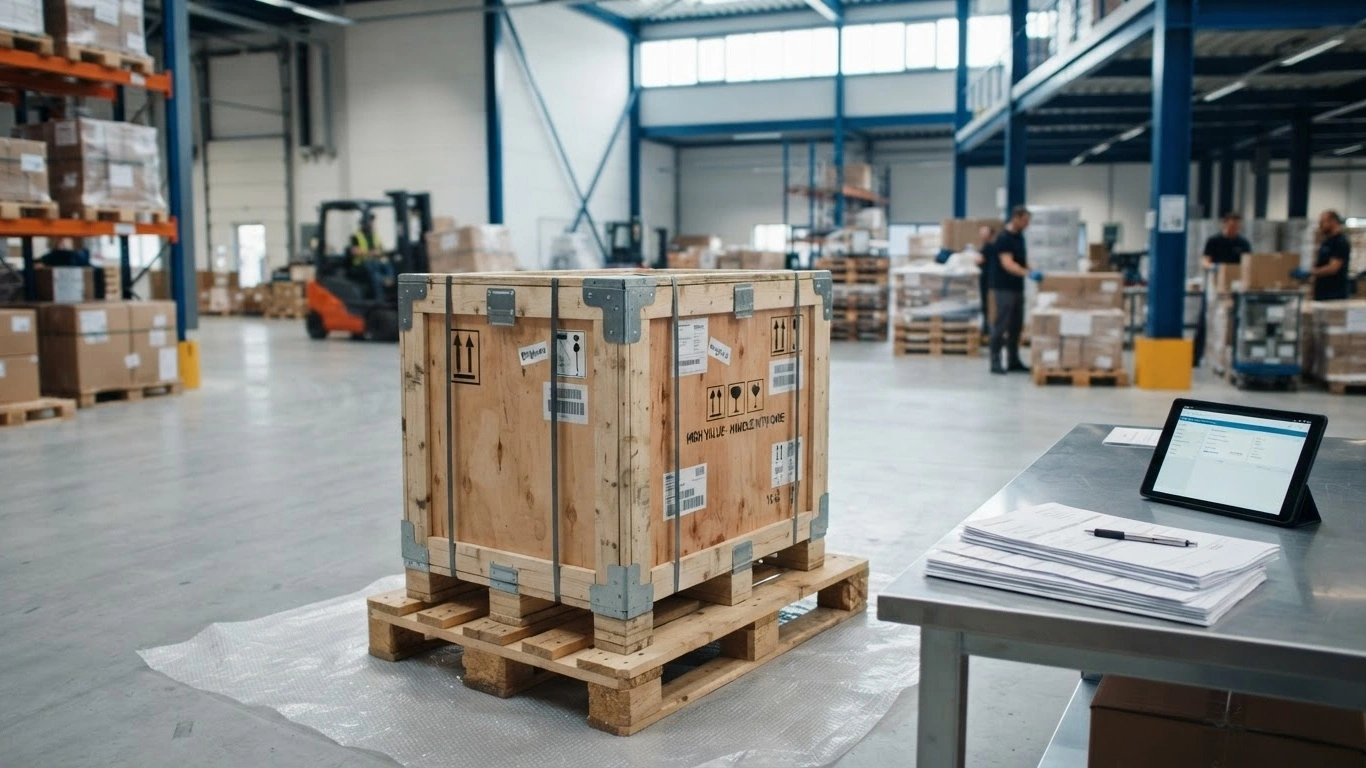
When shipping valuable or sensitive cargo, there are many numbers that appear on your shipping documents and invoices. Two of
©Copyright 2026 Anchor Express Inc. All rights reserved.
We use cookies on our website to give you the most relevant experience by remembering your preferences and repeat visits. By clicking "Accept All", you consent to the use of ALL the cookies. However, you may visit "Cookie Settings" to provide a controlled consent.
Manage your cookie preferences below:
Essential cookies enable basic functions and are necessary for the proper function of the website.
Google reCAPTCHA helps protect websites from spam and abuse by verifying user interactions through challenges.
Google Tag Manager simplifies the management of marketing tags on your website without code changes.