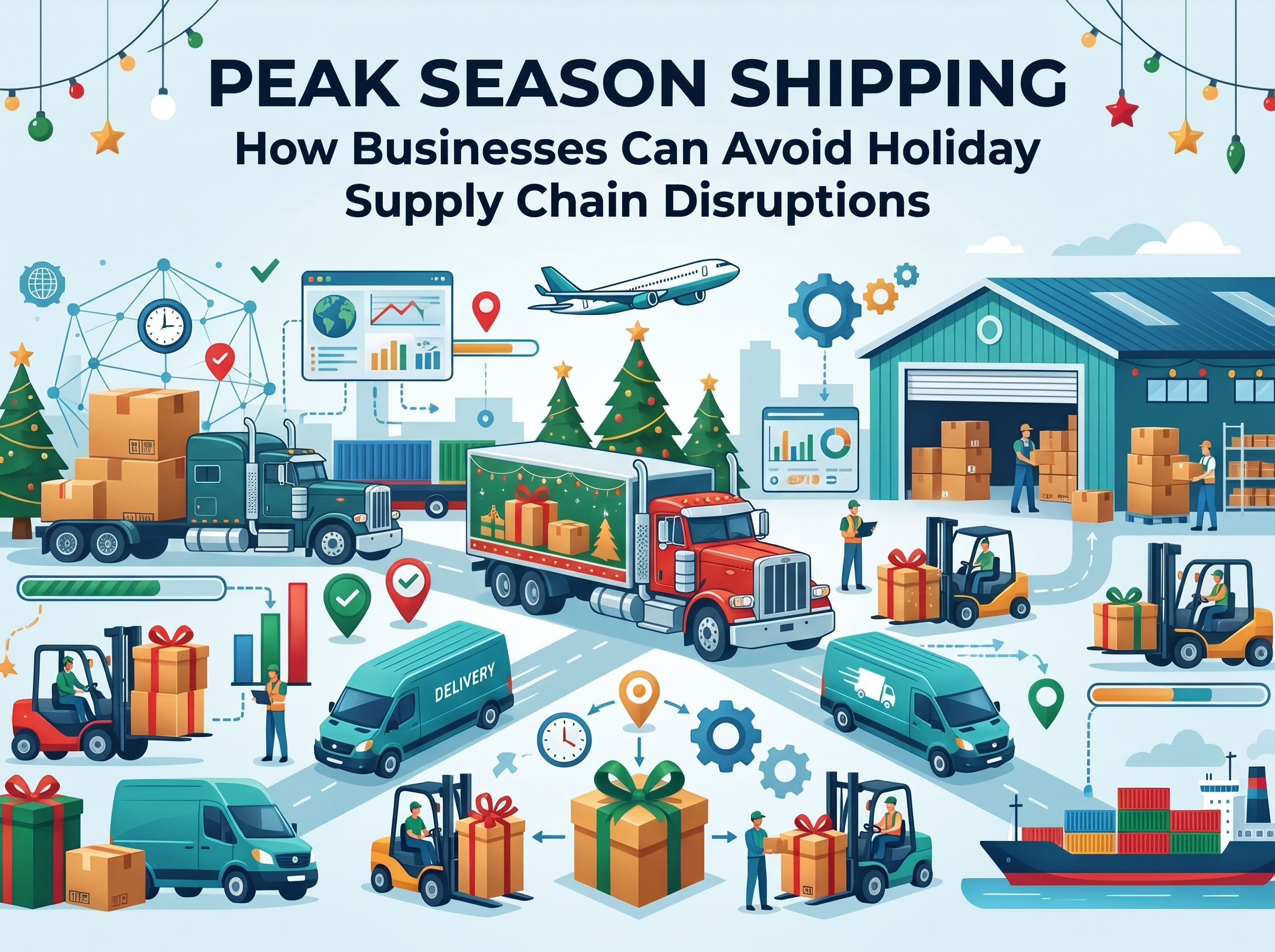
Peak Season Shipping: How Businesses Can Avoid Holiday Supply Chain Disruptions
The holiday season is one of the busiest periods of the year for global logistics. As businesses prepare for Black
The holiday season is one of the busiest periods of the year for global logistics. As businesses prepare for Black Friday, Cyber Monday, Christmas, and year-end demand, transportation networks experience increased pressure from growing shipment volumes and tighter delivery schedules. For importers, exporters, manufacturers, and retailers, successful peak season shipping requires more than simply booking transportation.
Limited cargo capacity, changing freight rates, warehouse congestion, and unexpected delays can quickly affect supply chain performance.
The good news is that many of these challenges can be managed through early planning, flexible transportation strategies, and reliable logistics partnerships.
Every year, seasonal demand creates additional pressure on international and domestic transportation networks. Retailers increase inventory to prepare for holiday shopping, manufacturers work to complete year-end orders, and businesses accelerate deliveries to meet customer expectations. This activity affects nearly every part of the logistics industry.
Increased Demand for Transportation Capacity
As shipping volumes rise, available space on cargo aircraft, container vessels, and trucks can become more limited. Businesses that wait too long to arrange transportation may face fewer options, higher rates, or longer transit times.
Warehouse and Distribution Center Congestion
Higher shipment volumes can place additional pressure on warehouses, fulfillment centers, and cargo terminals. Receiving, processing, and dispatching goods may take longer when facilities operate near maximum capacity.
Tighter Delivery Schedules
Holiday-related closures, reduced working hours, and carrier scheduling changes can complicate delivery planning. For international shipments, customs procedures and local holiday calendars must also be considered. These factors make November and December particularly important months for proactive logistics management.
When businesses delay transportation planning, the consequences can extend far beyond higher freight rates. Last-minute shipments often involve additional expenses that are not immediately obvious.
Higher Transportation Rates
When available cargo space becomes limited, urgent bookings may require premium transportation services.
Storage and Handling Charges
Unexpected delays can result in additional storage costs at warehouses, ports, or airports.
Production Interruptions
If critical materials or components arrive late, manufacturers may face downtime or reduced productivity.
Missed Sales Opportunities
Retailers and distributors risk losing revenue when products fail to arrive before important sales periods.
Emergency Transportation Expenses
A shipment originally planned for ocean freight may eventually require air freight to meet a critical deadline.
This is why the cheapest shipping option is not always the most cost-effective solution. Businesses should evaluate transportation decisions based on the total potential impact on operations, inventory, and customer commitments.
Choosing the right transportation method is especially important when demand increases and delivery deadlines become more demanding. Both air and ocean freight offer advantages, but their suitability depends on shipment priorities.
Ocean Freight: Cost Efficiency for Larger Shipments
Ocean freight is generally an economical solution for transporting large quantities of goods over long distances. It is particularly suitable for shipments that can be planned well in advance and do not require immediate delivery. However, during peak season, ocean freight may be affected by port congestion, limited vessel space, and changing sailing schedules. Businesses should allow sufficient time for potential delays and consider alternative options when deadlines are critical.
Air Freight: Speed for Time-Sensitive Cargo
Air freight provides a faster transportation alternative for urgent, high-value, or time-sensitive shipments. It can be particularly valuable when businesses need to replenish inventory quickly, deliver essential manufacturing components, or meet important customer deadlines. Although air freight typically costs more than ocean transportation, it may help prevent significantly greater losses caused by missed deadlines or production interruptions.
Combining Transportation Methods
For many businesses, the most effective solution is not choosing exclusively between air and ocean freight. A flexible strategy can involve shipping the majority of inventory by ocean while transporting critical products or components by air. This approach allows companies to balance transportation costs with delivery requirements.
At Anchor Express, we support customers with international Air, Ocean, and Ground logistics solutions, helping them evaluate transportation options based on shipment urgency, cargo characteristics, and business priorities.
Peak season challenges are easier to manage when businesses begin planning before transportation networks reach their busiest periods. Here are five practical strategies to improve shipping reliability.
Book Transportation Capacity in Advance
Early booking provides more flexibility when selecting carriers, routes, and departure schedules. It can also reduce the risk of last-minute capacity shortages and unexpected transportation expenses. Businesses should review projected shipment volumes and coordinate transportation requirements with their logistics partners as early as possible.
Prepare Shipping and Customs Documentation Early
Incomplete or inaccurate documentation can delay international shipments, particularly during periods of high cargo volume. Commercial invoices, packing lists, customs information, and any required permits should be reviewed before cargo is dispatched. Working with experienced logistics providers and customs brokers can help identify potential documentation issues before they affect delivery schedules.
Maintain Flexibility in Transportation Routes
Transportation networks can change quickly due to weather conditions, congestion, operational disruptions, or unexpected demand. Businesses should avoid depending entirely on a single route or transportation method when alternatives are available. Flexible planning makes it easier to respond when original shipping arrangements become unsuitable.
Prioritize Time-Sensitive and High-Value Shipments
Not every shipment requires the same level of urgency. Businesses should identify cargo that has the greatest impact on operations, revenue, or customer commitments. Critical manufacturing components, high-value products, and goods required for specific deadlines may justify faster or more specialized transportation solutions. By prioritizing these shipments, companies can allocate logistics budgets more effectively.
Work With a Reliable Logistics Partner
During peak season, communication becomes especially important. Businesses need timely updates, clear transportation options, and responsive support when unexpected situations arise. A logistics partner that understands shipment priorities and can coordinate across multiple transportation modes can help reduce uncertainty and improve operational efficiency.
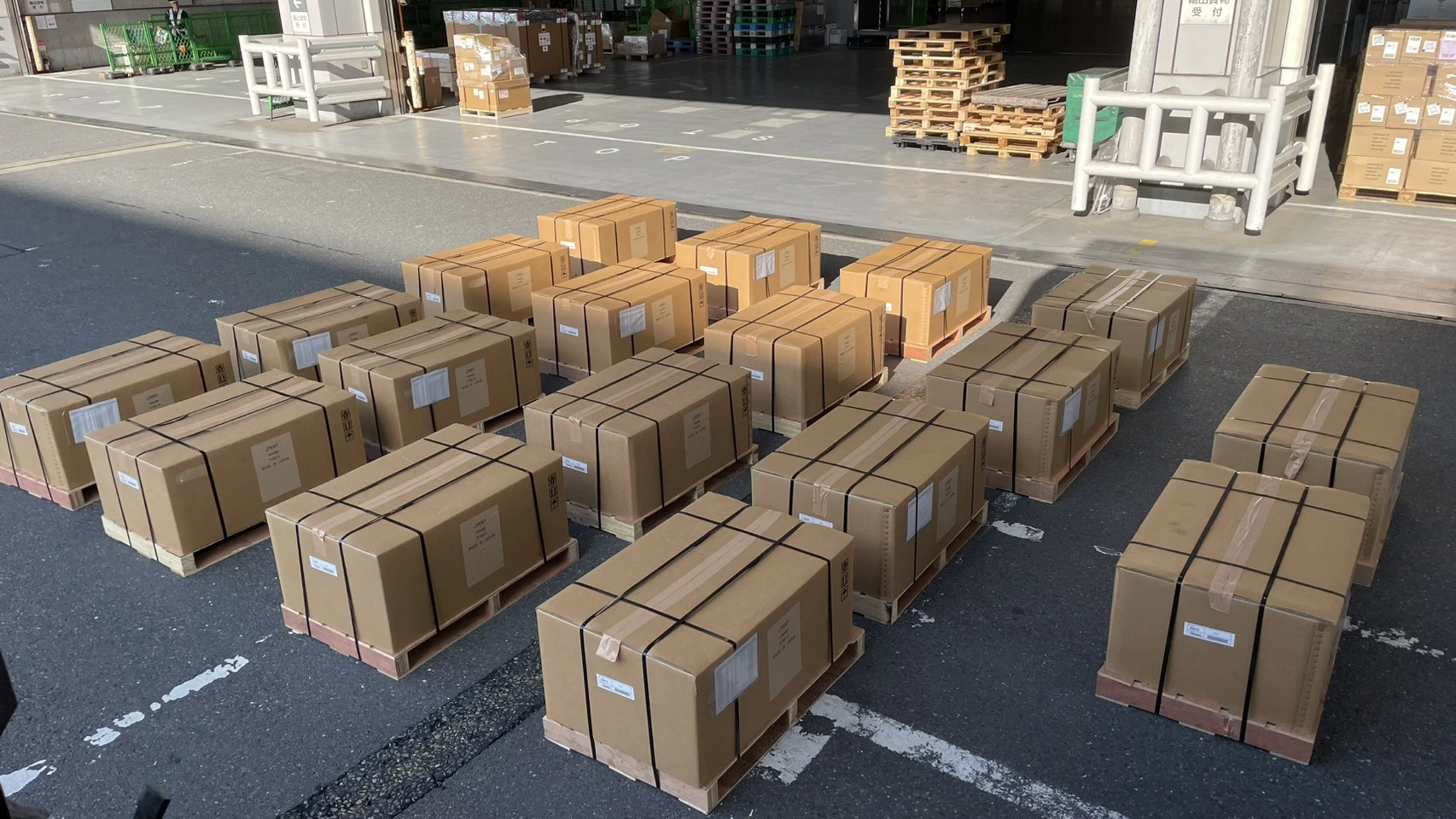
Last week, one of our major manufacturing partners faced a critical supply chain crunch: 18 pallets (nearly 12 metric tons) of urgent production cargo ready in Japan, needed at their facility in South Carolina on a tight schedule.
In the height of peak season, transpacific capacity is stretched to the limit. Airlines are heavily overloaded, space is scarce, and even Express shipments can experience delays due to carrier overbookings and severely backlogged Ground Handling Agents (GHAs) at major hubs. Initially, the client considered booking a dedicated air charter to guarantee uplift. Instead, our Air Import & NFO (Next Flight Out) team analyzed their actual assembly-line burn rate and engineered a 4-shipment multi-carrier Express strategy that bypassed peak-season space bottlenecks at a fraction of charter cost.
Here’s a behind-the-scenes look at how our operations desk made it happen:
Anchor Express Operations: “During peak season, charter rates surge—and you end up paying a massive premium when commercial Express capacity can still get the job done if you structure it smartly. When we reviewed the client’s production schedule, only the first third of the freight was needed immediately to prevent a line stoppage. At the same time, trying to push 18 pallets together on a single airline during peak season is nearly impossible without getting bumped or split anyway. Splitting the lot into four smaller Express shipments across multiple airlines protected our space and aligned arrivals directly with their assembly schedule.”
Anchor Express Operations: “We moved all 18 pallets on Express air service, divided into two waves across different airlines and U.S. gateways:
Anchor Express Operations: “Managing peak-season congestion across multiple carriers from origin to final recovery. When airlines are overbooked and airport ground handlers are backlogged, even Express freight can stall on the tarmac or sit waiting to be broken down in the warehouse. By spreading the four shipments across different airlines and two separate U.S. gateways (ORD and JFK), we eliminated any single point of failure. Our 24/7 desk tracked every flight milestone, pre-cleared customs prior to wheels-down, pushed GHAs for immediate cargo breakdown, and verified physical pallet labels before releasing our drivers.”
The Result:
✅ Zero production downtime despite peak-season space shortages
✅ All 18 pallets moved via Express service—at major savings compared to a charter
✅ Seamless door-to-door execution from Japan to the U.S. Southeast
Navigating peak-season overbookings and tight airline capacity takes more than a standard booking—it takes multi-carrier Express strategy and relentless terminal follow-up. Need a creative plan for urgent international air cargo? Our 24/7 NFO & Air Import desk is ready to help.
Peak season shipping will always involve additional challenges, but businesses that prepare early and maintain flexible transportation strategies are better positioned to protect their supply chains.
At Anchor Express, we help businesses navigate complex logistics requirements with personalized service, flexible transportation solutions, and 24/7 support. Our global partner network allows us to coordinate international Air, Ocean, and Ground transportation while responding to changing shipment requirements. Whether you need to plan regular international freight, arrange expedited delivery, or find a solution for urgent Time-Critical cargo, our team is ready to help. We understand that every shipment matters — especially when delivery deadlines are approaching.
Contact Anchor Express today to discuss your shipping needs, explore available transportation options, and keep your business moving during the busiest time of the year.
The holiday season is one of the busiest periods of the year for global logistics. As businesses prepare for Black
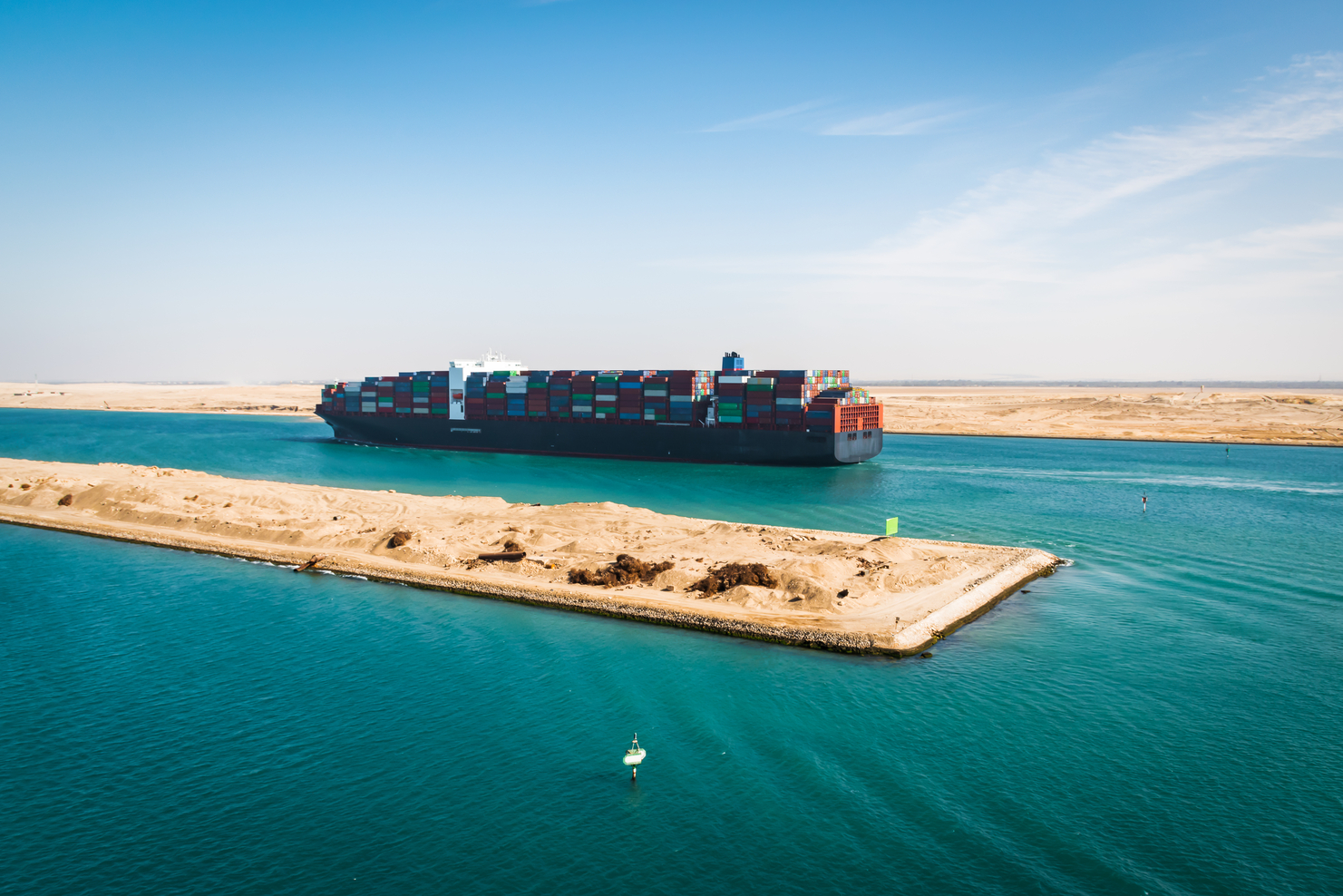
Global shipping routes have connected businesses, manufacturers, and consumers across continents for decades. However, the international transportation industry is facing

International logistics depends on more than transportation. Behind every successful shipment is a network of logistics professionals working across countries,

Global freight forwarding depends on more than transportation. When a shipment moves across multiple countries, logistics companies need reliable partners

Specialty logistics is becoming increasingly important as businesses move more complex, sensitive, and time-critical cargo around the world. Shipments involving
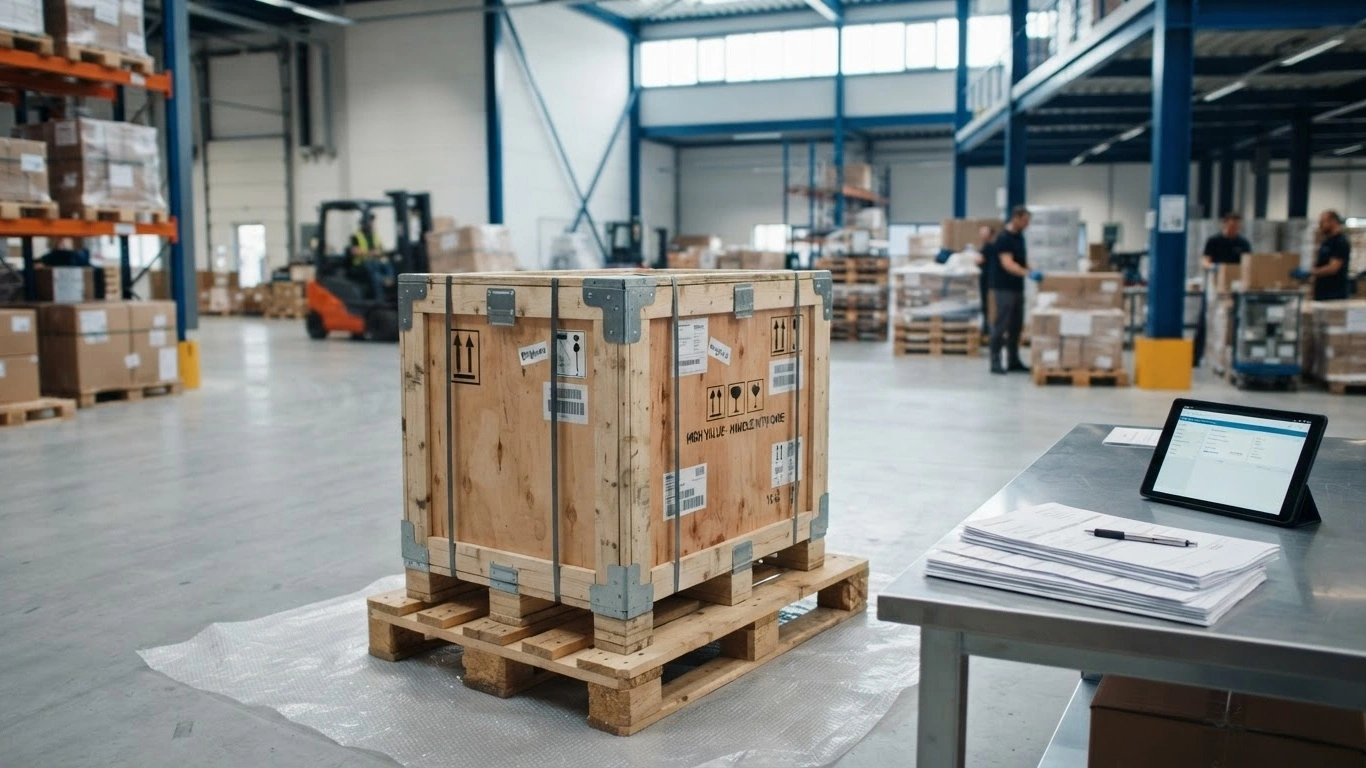
When shipping valuable or sensitive cargo, there are many numbers that appear on your shipping documents and invoices. Two of
©Copyright 2026 Anchor Express Inc. All rights reserved.
We use cookies on our website to give you the most relevant experience by remembering your preferences and repeat visits. By clicking "Accept All", you consent to the use of ALL the cookies. However, you may visit "Cookie Settings" to provide a controlled consent.
Manage your cookie preferences below:
Essential cookies enable basic functions and are necessary for the proper function of the website.
Google reCAPTCHA helps protect websites from spam and abuse by verifying user interactions through challenges.
Google Tag Manager simplifies the management of marketing tags on your website without code changes.